Power Systems Built for Commercial Kitchen Demands
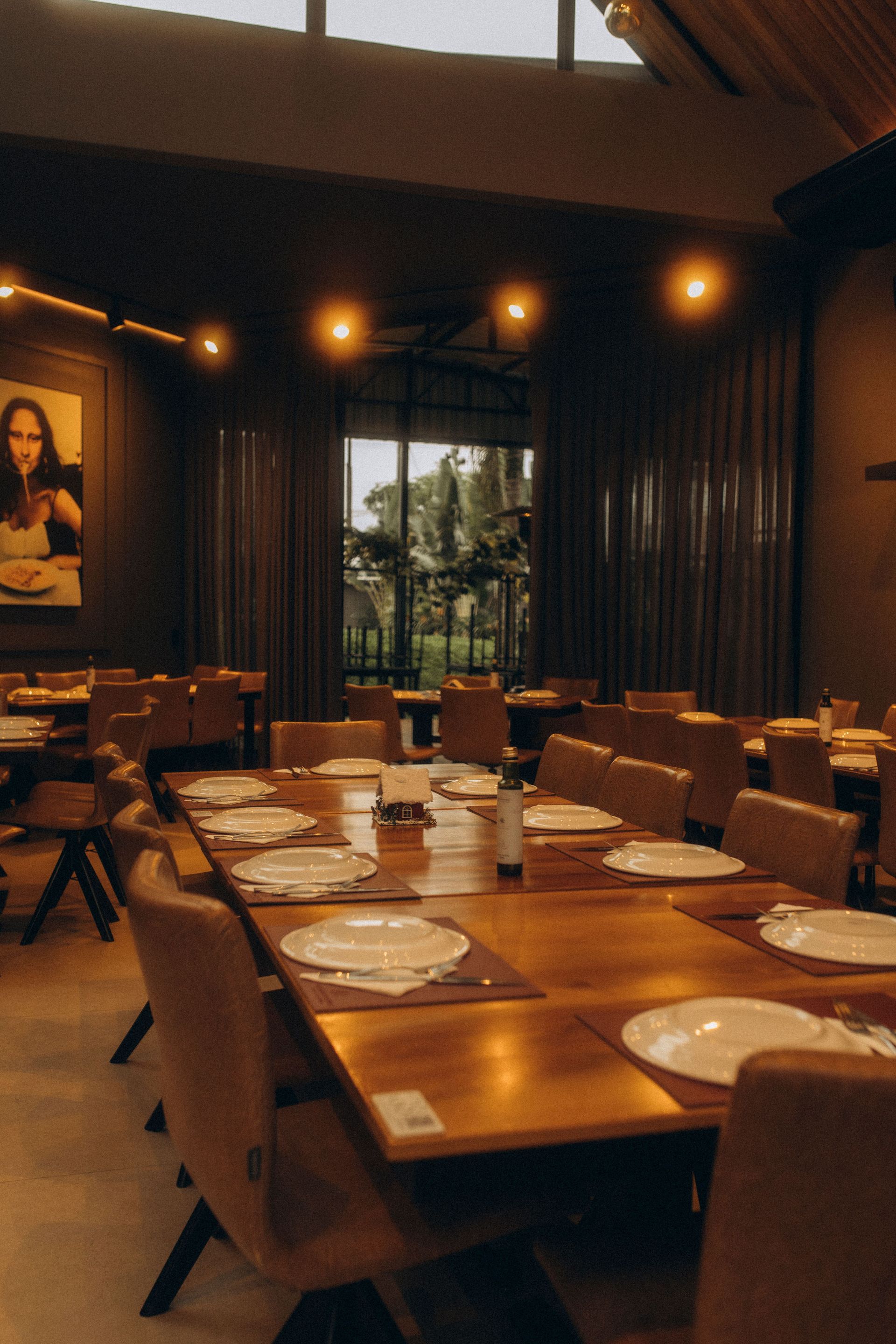
Restaurant Electrical Services in Missoula for commercial kitchens and dining rooms where high-demand appliances require specialized circuits and compliance with strict safety codes
Commercial ovens cycling at full capacity, refrigeration systems running continuously, and ventilation fans exhausting heat create electrical loads far exceeding residential demands. Edison Electric addresses these requirements in Missoula restaurants through dedicated circuits, properly sized panels, and installations that prevent service disruptions during peak business hours. Restaurant operators need electrical systems that handle simultaneous equipment startup without tripping breakers, maintain consistent voltage under heavy load, and meet code requirements that inspectors verify before issuing occupancy permits.
These installations include 208-volt three-phase circuits for heavy cooking equipment, ground fault protection for areas near sinks and prep stations, and separate metering for kitchen versus dining room loads to track energy consumption patterns. Proper restaurant electrical design accounts for future equipment additions, incorporates arc fault protection where required, and positions outlets at counter height for easy access without creating trip hazards from trailing cords across kitchen floors.
Request a kitchen electrical evaluation to assess whether your current panel capacity supports planned equipment upgrades or expanded seating areas.
How Restaurant Electrical Systems Address High-Demand Equipment
Restaurant electrical installations begin with load calculations that account for simultaneous operation of fryers, griddles, convection ovens, walk-in coolers, and dishwashers, then size service panels with capacity exceeding peak demand by at least twenty percent. Each major appliance receives a dedicated circuit rated for its specific amperage requirements, preventing voltage sag that causes equipment to underperform or fail prematurely. Installation also includes properly rated disconnects within sight of each appliance, allowing kitchen staff to safely isolate equipment during cleaning or emergency shutdowns.
Once restaurant electrical upgrades are finished, kitchen managers observe that equipment reaches operating temperature faster, refrigeration units maintain stable temperatures during rush periods, and circuit breakers no longer trip when multiple appliances start simultaneously. Dining room lighting operates on separate circuits from kitchen equipment, ensuring that guest areas remain fully illuminated even if kitchen loads cause temporary issues. Energy efficiency improves when circuits deliver consistent voltage, reducing the excess current draw that occurs when appliances operate on undersized wiring.
Code compliance for restaurant electrical work in Missoula includes GFCI protection for all outlets within six feet of sinks, proper bonding of metal equipment and vent hoods, and emergency lighting that activates automatically during power failures to allow safe evacuation. Maintenance considerations include quarterly inspections of high-use outlets, annual thermal imaging to detect hot connections before they fail, and documentation that satisfies health department and fire marshal reviews during license renewals.
Answers to Common Restaurant Electrical Questions
Restaurant owners and kitchen managers often ask about capacity limitations, code requirements, and timing for electrical work that minimizes business interruption.
What determines whether a restaurant needs three-phase power?
Commercial kitchens operating multiple high-wattage appliances simultaneously require three-phase service to distribute load evenly across phases, reducing amperage per circuit and preventing the voltage imbalance that causes equipment malfunction.
How do electricians calculate panel capacity for restaurant expansions?
Load calculations sum the nameplate ratings of all installed equipment, apply demand factors based on usage patterns, then verify that existing service can support additional circuits without exceeding eighty percent of panel capacity.
When should restaurants schedule electrical upgrades to avoid losing business?
Most installations happen during closed hours or slower midweek periods, with critical work phased so that at least partial kitchen function remains available throughout the project.
What electrical components fail most often in Missoula restaurant kitchens?
Outlets near prep areas degrade from moisture exposure and repeated plug insertion, while breakers serving fryers and ovens weaken from heat cycling and high inrush current during equipment startup.
How does proper electrical sizing reduce operating costs?
Correctly sized circuits deliver stable voltage that allows appliances to operate at rated efficiency, while undersized wiring causes voltage drop that forces equipment to draw excess current and consume more energy to achieve the same output.
Edison Electric provides restaurant electrical services throughout Missoula with scheduling that accommodates business hours and installation methods that maintain health code compliance during construction. Schedule a consultation to review your kitchen electrical capacity and plan upgrades that support current equipment loads and future expansion.