
Charging Infrastructure That Handles Daily Driving
Outdoor EV charger installation in Missoula for properties switching to electric vehicle transportation
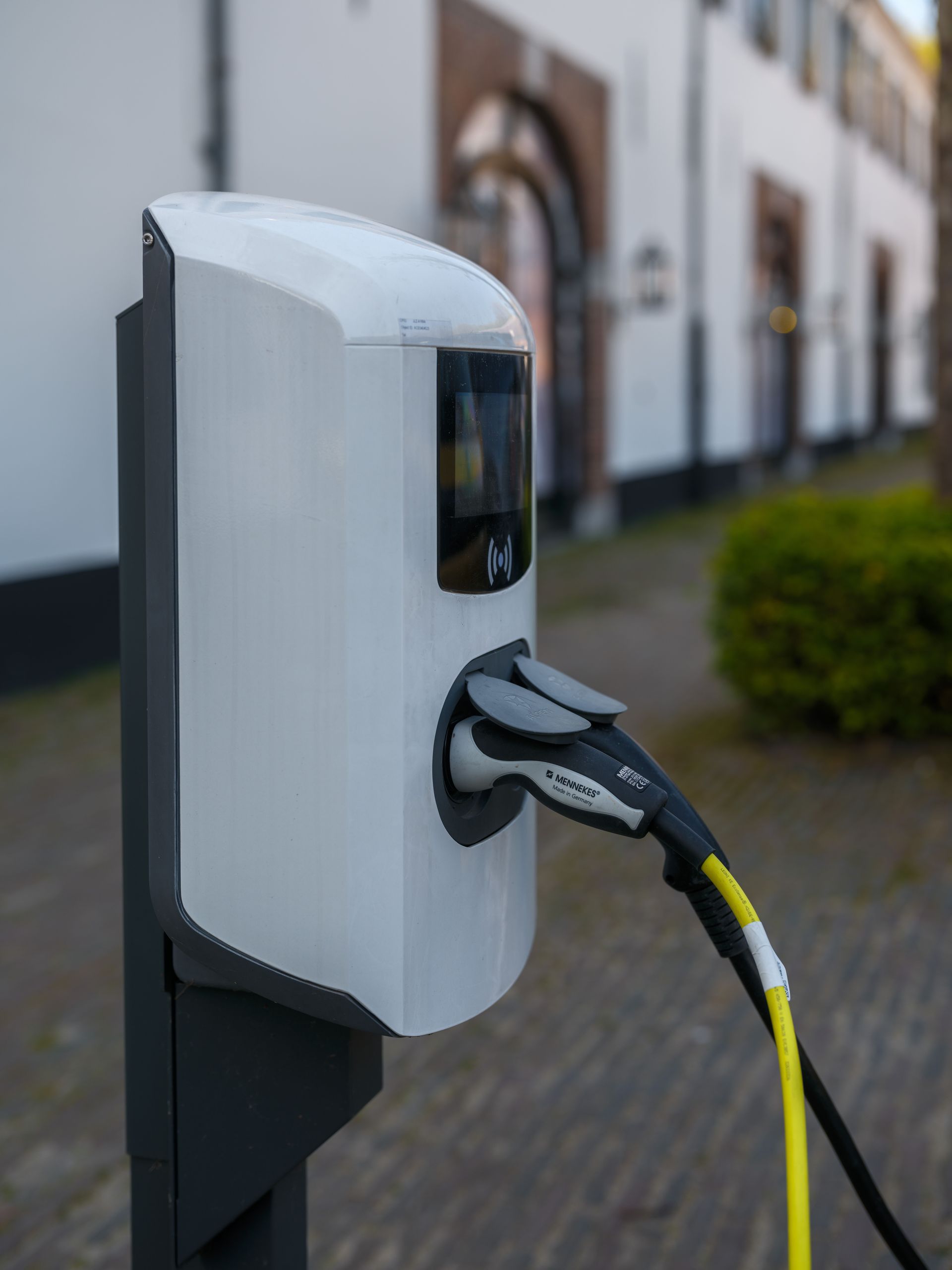
Outdoor charging stations require weatherproof enclosures, proper conduit routing to protect cables from physical damage and UV exposure, and circuit sizing that accommodates the continuous high-amperage loads EV charging creates over extended periods. Edison Electric handles outdoor EV charger installation in Missoula for driveways, carports, and detached garages where vehicle parking happens outside the main structure. Montana's temperature swings between summer heat and subzero winter conditions demand equipment rated for outdoor exposure and wiring methods that prevent moisture infiltration at connection points where corrosion would otherwise degrade performance over time.
Installation involves running a dedicated branch circuit from your main panel to the charging location, mounting the EVSE unit on exterior wall surfaces or freestanding posts, and connecting the charger through appropriately rated breakers that match the equipment's specified amperage. Level 2 chargers operating at 240 volts deliver charging speeds substantially faster than standard household outlets, typically adding twenty to thirty miles of range per hour depending on your vehicle's onboard charging capacity.
Schedule a property evaluation to identify optimal charger placement and verify panel capacity before equipment ordering.
What You Notice Once Charging Systems Are Finished
The circuit installation begins with calculating your vehicle's charging requirements and determining whether your existing electrical service can support the additional continuous load without exceeding panel ratings—most Level 2 residential chargers draw between thirty and fifty amps, which represents significant demand that some older service panels cannot accommodate without upgrades. Conduit routing follows the most direct path from your panel to the vehicle location while maintaining code-required burial depths for underground sections and proper support spacing for exposed runs along building exteriors.
Once energized, your vehicle charges completely overnight from typical daily driving depletion without requiring public charging station visits for routine use. You'll plug in when you arrive home, and the vehicle reaches full charge by morning even after longer commutes that substantially drain the battery. Cold winter mornings in Missoula no longer mean arriving at a frozen vehicle, since many EVs precondition batteries and cabin temperature while still connected to shore power rather than depleting the battery for climate control.
The installation includes ground fault protection specific to EV charging circuits, securing mounting hardware appropriate for the exterior surface material, and positioning the unit where cable length reaches your vehicle's charging port without stretching across walkways or creating trip hazards. Some installations involve trenching across yards or driveways when the charger location sits far from the main panel, requiring underground conduit runs that protect wiring from landscape equipment and vehicle traffic.
Answers to Frequent Service Questions
Outdoor charger installations in Missoula often involve coordinating with utility companies when service upgrades are necessary to support the additional electrical load.
What differentiates outdoor-rated chargers from indoor units?
Outdoor EV chargers feature NEMA-rated weatherproof enclosures that seal against rain, snow, and temperature extremes, include cable holsters that prevent ground contact during storage, and use UV-resistant materials that won't degrade under constant sun exposure common at uncovered parking locations.
How far can the charger sit from your electrical panel?
Distance affects installation cost and complexity since longer circuit runs require more conduit and wire, but chargers can be located over one hundred feet from panels if necessary using appropriately sized conductors that compensate for voltage drop across extended distances.
Why do some installations require electrical service upgrades?
Many Montana homes built before 2010 have 100-amp or 150-amp service that cannot support EV charging loads in addition to existing household demand, particularly when heating, water heating, cooking appliances, and the EV charger all draw power simultaneously during peak usage periods.
Can you install a charger on a detached garage?
Yes, installations extend to detached structures through underground conduit or overhead service lines, though the approach depends on the distance between buildings, whether the garage already has electrical service, and local code requirements for structure-to-structure wiring methods.
What happens if you switch to a different EV model later?
Most Level 2 chargers use standardized J1772 connectors compatible across nearly all electric vehicles sold in North America, meaning the charging station continues working if you change vehicle brands or models without requiring equipment replacement or circuit modifications.
Edison Electric sizes outdoor charging circuits to match your vehicle specifications and ensures installations withstand Montana weather conditions throughout year-round use. Request a site assessment to determine the most practical routing and confirm your electrical service capacity supports the charging equipment.