When Power Outages Threaten Polson Homes, Battery Storage Changes Everything
How Montana Weather Creates the Case for Home Battery Systems
When winter storms roll across Flathead Lake and into Polson, power lines don't always survive the combination of heavy snow, ice accumulation, and wind gusts that sweep down from the Mission Mountains. Outages that last hours—sometimes days—create more than inconvenience when temperatures drop below freezing and your heating system goes dark. Battery backup systems address this vulnerability by storing energy that keeps essential systems running when the grid fails, maintaining heat, refrigeration, and lighting without the noise or fuel requirements of traditional generators.
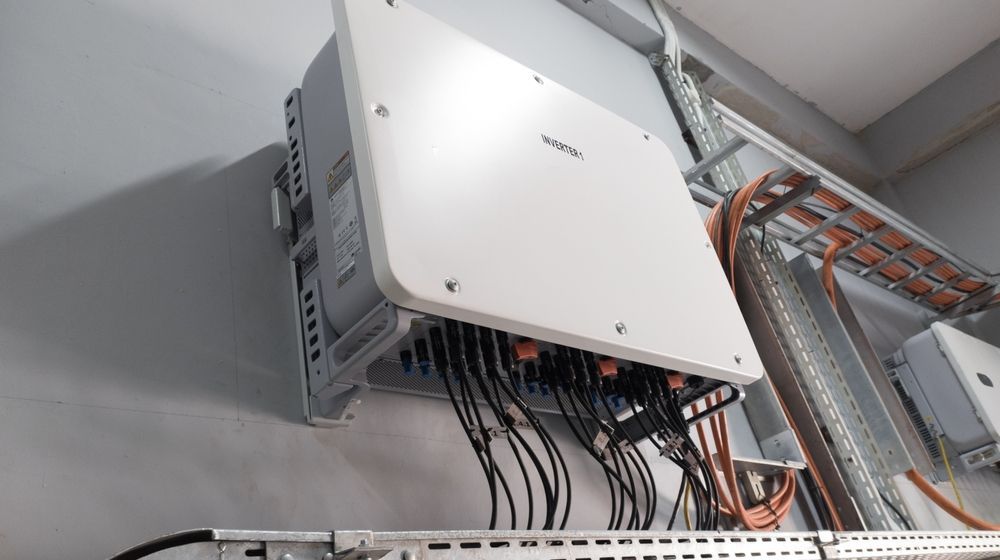
Tesla Powerwall 3 installation for Polson properties involves more than mounting a battery to your wall. The system integrates with your existing electrical panel through a backup gateway that monitors grid status and automatically switches to stored energy within milliseconds of detecting an outage. Edison Electric sizes the installation based on your critical loads, the circuits you absolutely need during an outage, and available solar capacity if you're optimizing renewable energy storage. In Montana, where solar production varies dramatically between summer and winter, proper system sizing accounts for seasonal generation patterns to ensure year-round reliability.
Why Circuit-Level Backup Decisions Matter in Lake County
Not every circuit in your home needs battery backup, and trying to power everything simultaneously drains stored energy within hours rather than days. Strategic load management starts with identifying non-negotiables: your furnace or heat pump, at least one refrigerator, critical lighting circuits, and potentially well pumps for properties outside town. Secondary priorities like garage door openers, select outlets for medical equipment or communication devices, and basement sump pumps get evaluated based on total battery capacity and expected outage duration.
The Powerwall 3 delivers 13.5 kWh of usable capacity with 11.5 kW continuous power output, which covers most residential essential loads comfortably. For homes with solar arrays, the system prioritizes self-consumption during normal operation—storing excess daytime production for evening use—which reduces grid dependency and utility costs even when the power stays on. During extended outages, solar panels continue charging the battery during daylight hours, effectively creating indefinite backup capability as long as weather permits generation. This solar integration delivers observable results: your heating system runs through multi-day outages, refrigerated food stays preserved, and you're not rationing battery charge because tomorrow's sunshine replenishes what you used overnight.
If you're evaluating battery backup for your Polson property and want to understand how system sizing affects both outage resilience and daily energy optimization, we can walk through your specific electrical loads and solar potential to design appropriate coverage.
What Certified Installation Addresses That Generic Electrical Work Misses
Tesla certification for Powerwall installation isn't just paperwork—it represents specific training in system commissioning, gateway configuration, load management programming, and integration with Tesla's monitoring platform. Installers without this certification may handle the basic electrical connections adequately but miss configuration nuances that affect system performance, warranty coverage, and long-term reliability.
Backup gateway placement that protects against Polson's temperature extremes while maintaining cellular connectivity for system monitoring
Load center modifications that isolate critical circuits without requiring complete panel replacement in older homes
Proper torque specifications on battery terminals and gateway connections that prevent resistance issues in Montana's thermal cycling conditions
Solar integration settings that optimize charge/discharge schedules based on Lake County's solar resource availability and utility rate structures
Transfer switch testing protocols that verify seamless transition during simulated outages before you actually need the system
The installation creates a visible difference in how your home responds to grid failures: lights stay on, furnace blowers keep running, and you're not scrambling for flashlights and wondering how long refrigerated medications will remain viable. For properties with existing solar arrays, you'll observe reduced grid consumption as the battery stores midday production for evening use, which translates to lower utility bills month after month. If battery backup makes sense for your Polson home's specific layout, power requirements, and outage exposure, we can provide a detailed assessment of what properly certified Tesla Powerwall 3 installation would deliver for your property.