
Protection Built Into Your Electrical System
Grounding & Bonding Electrical Services in Missoula for homes and commercial properties requiring code-compliant electrical safety infrastructure
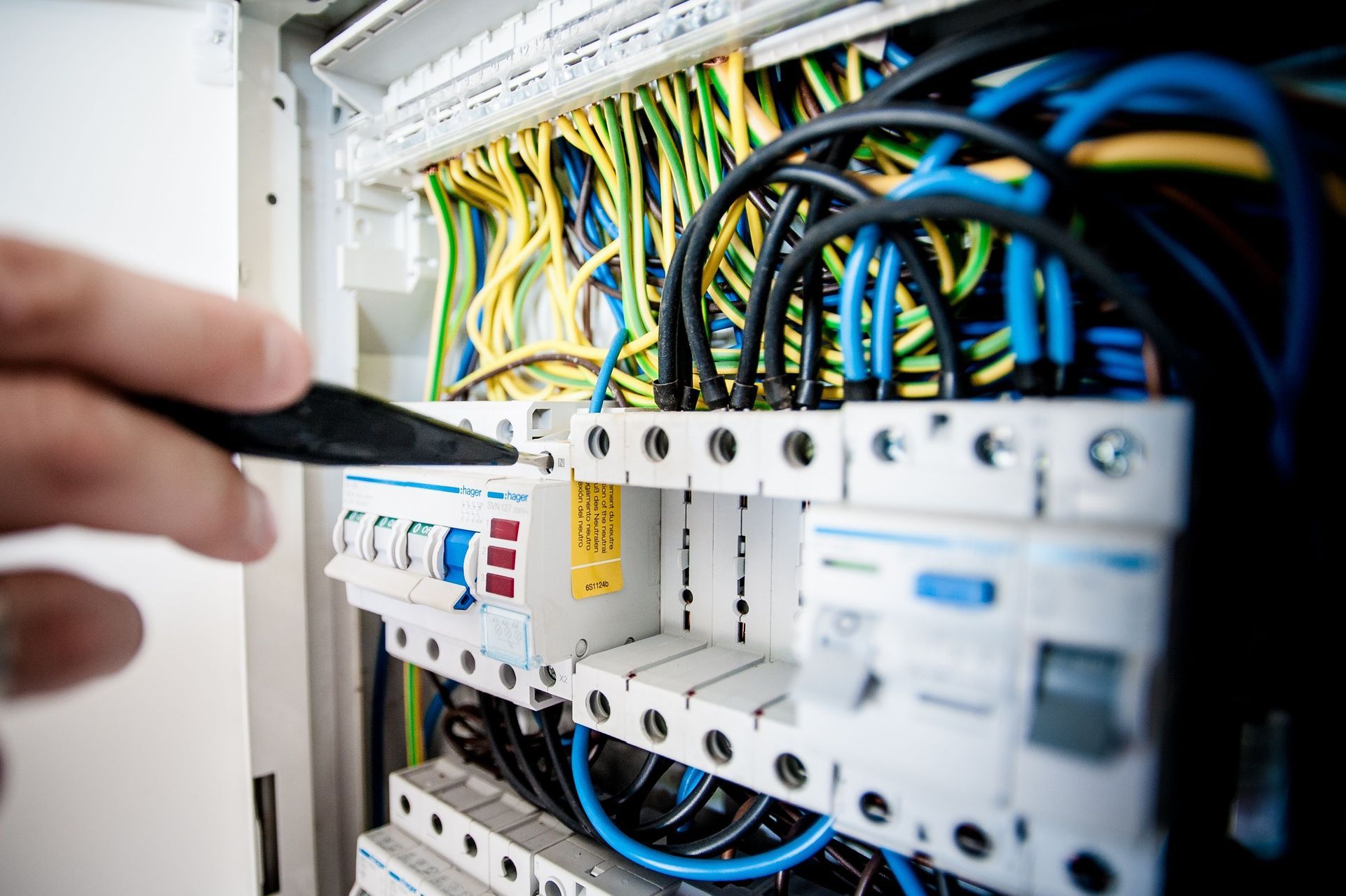
Edison Electric provides grounding and bonding electrical services that establish safe pathways for fault currents and equalize voltage potential across metallic components in your electrical system. These systems redirect dangerous electrical energy into the earth during short circuits, lightning strikes, or equipment malfunctions, preventing shock hazards and fire risks. Properties with aging electrical infrastructure, recent additions, or unpermitted work often lack proper grounding connections that meet current code requirements.
Grounding systems create a direct connection from your electrical panel to the earth through buried electrodes, while bonding connects all metallic components—pipes, ductwork, appliance frames, and structural elements—to the same electrical potential. In Missoula's climate, where freeze-thaw cycles and soil moisture variations affect ground rod conductivity, proper installation accounts for soil resistance levels that change seasonally. Homes built before modern electrical codes may have insufficient grounding electrode systems or missing bonding jumpers around water meters and gas lines.
Schedule an electrical safety evaluation to assess your current grounding and bonding configuration against current code standards.
How Grounding and Bonding Systems Prevent Electrical Hazards
The process involves installing or upgrading grounding electrode conductors that connect your main panel to approved earth electrodes, typically including driven ground rods and connections to metal water supply piping where applicable. Bonding jumpers are installed across water meters, around dielectric unions, and between separate metallic systems to prevent voltage differences that create shock hazards when you touch two different metal surfaces simultaneously. Each connection must meet specific torque requirements and use listed materials rated for the application environment.
Once properly installed, you gain a system where fault currents immediately travel to ground through a low-resistance path, tripping overcurrent devices before circuits remain energized long enough to start fires or cause injury. Equipment with metal enclosures no longer presents shock hazards when internal wiring fails, because the bonding conductor carries fault current back to the panel faster than it can energize exposed surfaces. Circuit breakers operate as designed during ground faults rather than allowing sustained arcing conditions that carbonize insulation and overheat conductors.
The work also addresses separate grounding requirements for specific equipment like subpanels, generators, and sensitive electronics that require isolated grounding paths. Installations include testing soil resistance to verify ground electrode effectiveness, adding additional rods or alternative electrodes when resistance exceeds code limits, and documenting all connections for future reference during inspections or system modifications.
Questions Property Owners Ask About Electrical Grounding
Projects in Missoula often involve coordinating with existing foundation layouts and addressing accessibility issues in finished spaces where grounding conductors need routing.
What indicates my property has inadequate grounding?
Frequent nuisance tripping of GFCI devices, tingling sensations when touching appliances and plumbing simultaneously, or visible corrosion on grounding connections at the panel suggest grounding system deficiencies that require professional evaluation.
How does bonding differ from grounding in functional terms?
Grounding establishes a connection to earth for fault current dissipation, while bonding connects metallic components together to prevent voltage differences between surfaces you might touch, both working together to eliminate shock paths through your body.
Why do older homes in Missoula often need grounding upgrades?
Electrical codes have evolved significantly since mid-century construction, adding requirements for equipment grounding conductors in all circuits, bonding jumpers around water treatment equipment, and supplemental grounding electrodes that many older installations lack entirely.
What materials are required for compliant grounding electrode systems?
Copper-clad steel ground rods must be driven to specified depths, connected with listed clamps to bare copper conductors sized according to service amperage, with all connections remaining accessible for inspection and testing throughout the system's life.
When should grounding systems be tested after installation?
Initial resistance testing verifies electrode effectiveness immediately after installation, with periodic retesting recommended after major electrical work, lightning events, or when adding large equipment that increases fault current potential.
Edison Electric installs grounding and bonding systems that meet the specific conditions of your property and electrical service configuration. Request a detailed assessment to identify specific grounding deficiencies and receive code-compliant solutions.