Charging Systems That Work When You Need Them
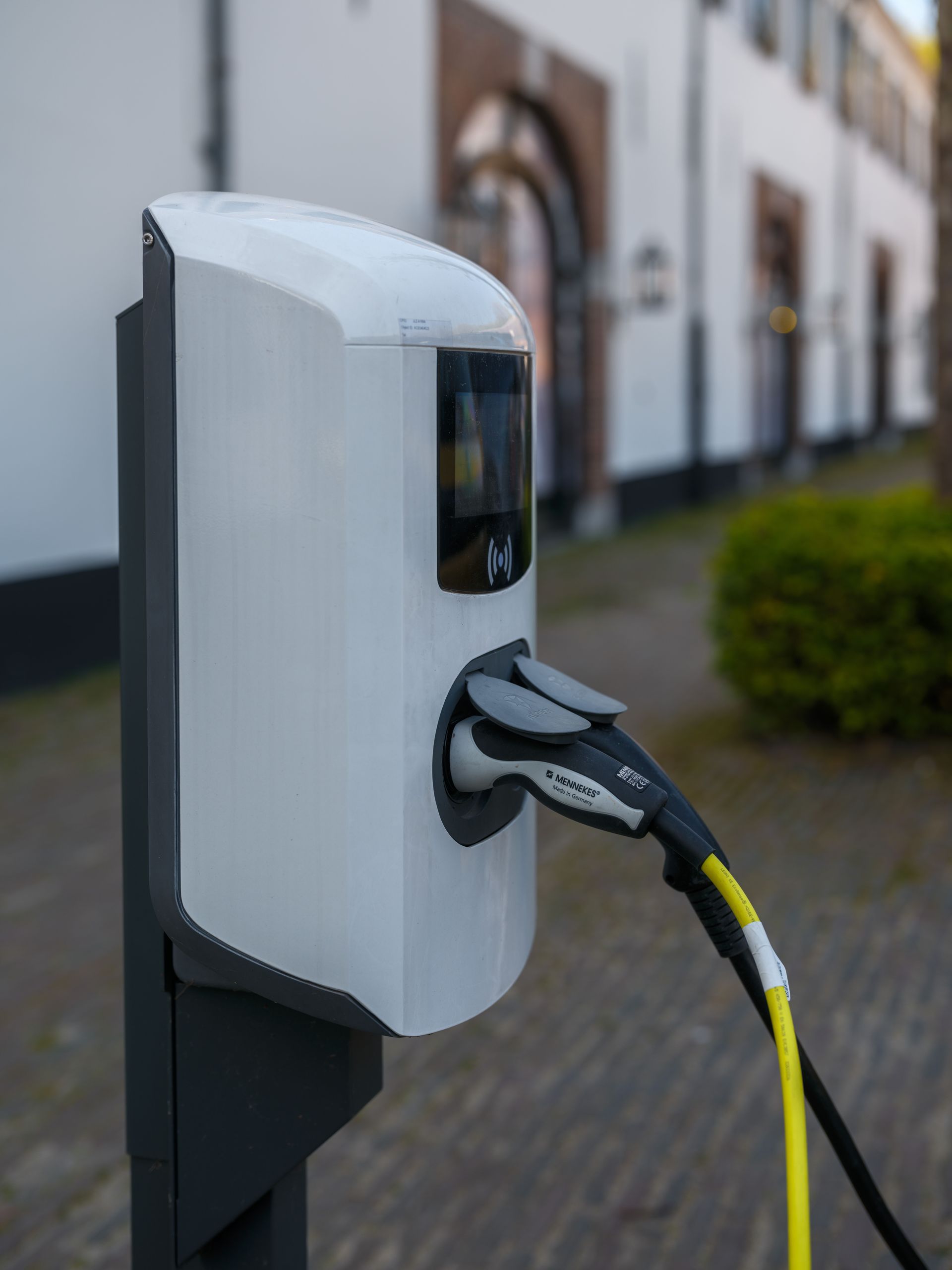
EV Charger Maintenance and Repair in Missoula for residential and commercial properties with chargers that stop working, charge inconsistently, or show error messages
EV chargers rely on continuous electrical connections, properly sized breakers, weather-rated wiring, and software communication between the charger and vehicle to deliver safe, consistent power. When a charger stops responding, trips the breaker repeatedly, overheats during charging sessions, or displays fault codes on its interface, the problem usually traces back to a failure in one of these systems. Edison Electric troubleshoots and repairs residential and commercial EV charging setups in Missoula, restoring safe operation without requiring full charger replacement in most cases.
Common failure points include loose terminal connections that create resistance and heat buildup, breakers that trip under sustained load due to improper sizing or panel degradation, and corroded wiring where moisture infiltrates outdoor conduit. Tesla Wall Connectors and ChargePoint units also depend on Wi-Fi connectivity and firmware updates to function correctly—network issues or software bugs can prevent charging even when the electrical circuit is intact. Diagnostic work isolates whether the issue originates in the charger itself, the dedicated circuit, the panel, or the communication link between charger and vehicle.
Arrange a diagnostic service call to identify the specific cause of charging failures and restore reliable operation.
How Charger Repairs Address Electrical and Communication Failures
Edison Electric is Tesla certified and ChargePoint certified, which means repair work follows manufacturer troubleshooting protocols and uses OEM-approved replacement components when internal charger parts fail. Repairs begin with voltage testing at the panel, breaker inspection for signs of overheating or arcing, and continuity checks along the dedicated circuit to confirm power reaches the charger at the correct voltage and amperage. If the circuit tests clean, diagnostics shift to the charger's internal relay, contactor, control board, or communication module.
After repairs are complete, your charger responds immediately when you plug in your vehicle, delivers consistent charging speed without mid-session interruptions, and stops tripping breakers or displaying error codes. You'll also notice that charge times return to expected levels and that the charger no longer overheats during extended sessions. Documentation of the repair includes what failed, what was replaced, and any circuit modifications made to prevent recurrence.
Preventive maintenance visits can catch early signs of connector wear, terminal oxidation, and firmware issues before they escalate into full charging failures. For commercial properties with multiple chargers, scheduled inspections reduce downtime and ensure all units remain available for tenants, employees, or customers who depend on consistent access to charging infrastructure.
Common Questions About Charger Repairs
Property owners in Missoula often need clarity on what causes charger failures and how repairs differ from new installations.
What causes a charger to trip the breaker repeatedly?
Breaker trips usually indicate that the circuit is drawing more current than the breaker is rated to handle, either because the breaker is undersized, the charger's internal components are failing and drawing excessive current, or the circuit wiring has developed resistance due to loose connections or corrosion.
Can a charger be repaired if it's no longer under warranty?
Yes, many charger failures involve external circuit issues or replaceable internal components like relays and contactors. Even out-of-warranty units can often be restored to full function without replacing the entire charger assembly.
How do you diagnose a charger that won't start a charging session?
Diagnostics begin by confirming that the vehicle is communicating with the charger—if the handshake between vehicle and charger fails, the session won't start even if power is present. Testing includes checking for continuity in the charging cable, verifying that the control board is receiving signal from the vehicle, and inspecting connector pins for damage or debris.
Why would a charger overheat during use?
Overheating typically results from poor terminal connections, undersized wiring that can't handle continuous high-amperage loads, or internal relay failure. In Missoula's climate, temperature extremes can also accelerate wear on outdoor chargers if enclosures and conduit seals have degraded.
How long do EV charger repairs usually take?
Repair timelines depend on whether the problem is circuit-related or requires replacement parts from the charger manufacturer. Circuit repairs are often completed the same day, while internal component replacements may require ordering certified parts and scheduling a follow-up visit.
Edison Electric provides troubleshooting, repair, and preventive maintenance for Tesla, ChargePoint, and other Level 2 charging systems across Missoula and surrounding communities. Contact us to schedule a service call and restore safe, reliable charging for your home or business.