
Power Systems Built for Working Property
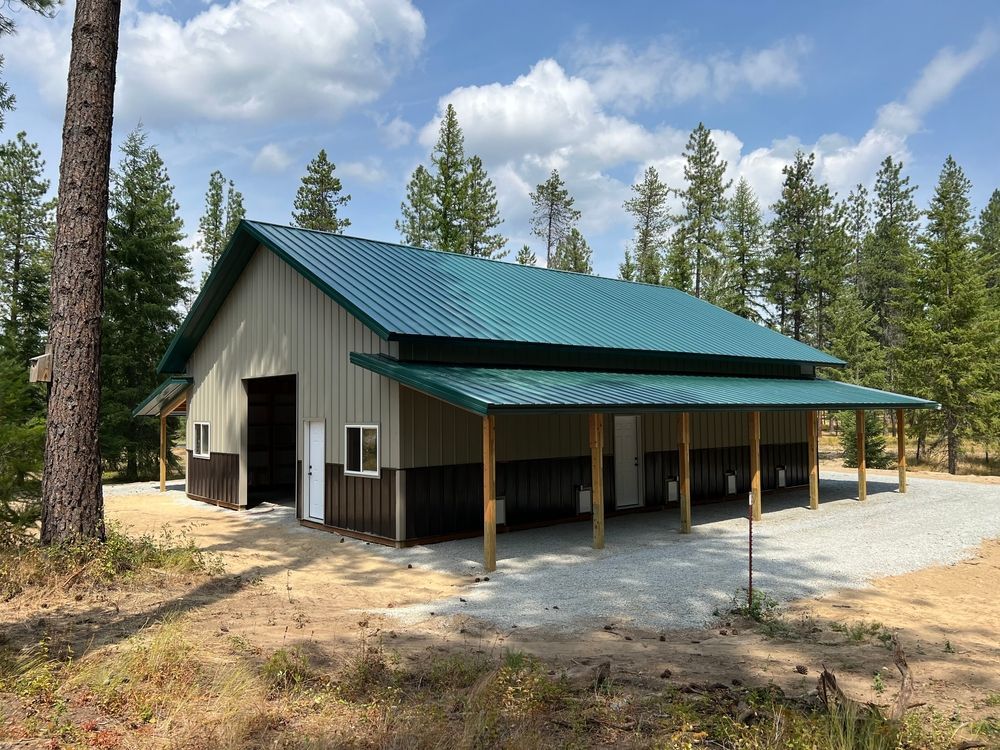
Farm, Ranch, & Pole Barn Electrical in Missoula for outbuildings running heavy equipment and livestock systems
High-draw machinery demands electrical infrastructure designed far beyond what residential panels typically deliver. Edison Electric handles farm, ranch, and pole barn electrical work across Missoula, Ravalli, and Mineral counties, sizing dedicated sub-panels for welders, air compressors, grain handling equipment, and other amperage-intensive loads that standard circuits cannot support. Properties in Lolo, Florence, and Frenchtown often require underground runs from main residences to outbuildings located hundreds of feet away, where livestock safety and weatherproof enclosures become as critical as raw power capacity.
This work includes trenching and conduit installation that meet depth standards for direct burial wiring, connecting primary structures to barns, shops, and detached garages. Sub-panel capacity is calculated based on simultaneous equipment use, ensuring breakers sized appropriately for both startup surge and continuous operation. NEMA-rated exterior enclosures protect connections from moisture, temperature swings, and pests that commonly damage exposed rural wiring.
Schedule a property walkthrough to review equipment loads and determine sub-panel requirements for your outbuildings.
What Dedicated Rural Power Systems Include
Specialized circuits serve equipment that cannot share standard branch wiring. Well pumps require dedicated lines to handle motor startup current without voltage sag affecting other systems. Stock tank de-icers draw continuous amperage throughout winter months, automated gate openers need reliable power at property perimeters, and security lighting around livestock areas must function independently of shop or barn interior circuits. Solar and generator backup integration requires transfer switches and load management that prioritize critical systems during grid outages.
Once installation is complete, each circuit operates without interference from other loads. Welders no longer dim shop lights during startup, compressors run without tripping breakers shared with hand tools, and livestock watering systems function reliably regardless of equipment use elsewhere on the property. Sealed conduits and pest-proof wiring prevent rodent damage that frequently disables exposed runs in agricultural structures.
Panel upgrades often accompany new outbuilding circuits, particularly when existing main panels lack capacity for additional heavy loads. Coordination with NorthWestern Energy ensures meter and service entry equipment match the increased demand, and local Missoula permitting addresses code requirements for rural installations where inspection standards differ from residential subdivisions.
Questions About Agricultural Electrical Work
Rural properties present electrical challenges distinct from residential work, particularly when livestock safety and equipment reliability intersect.
What determines sub-panel size for a shop or barn?
Sub-panel amperage is calculated based on the combined load of all equipment that might run simultaneously, with additional capacity for future expansion. A shop running a welder, compressor, and multiple power tools typically requires a 100-amp sub-panel minimum, while barns with heating systems and motorized equipment may need larger service.
How deep must underground wiring be buried between buildings?
Direct burial wiring in Missoula requires a minimum trench depth of 24 inches for conduit-protected runs, though depth increases to 30 inches for areas subject to vehicle traffic or heavy equipment. Conduit type and fill requirements follow NEC standards for wet locations and thermal derating.
Why do livestock areas need specialized wiring methods?
Animals chew exposed wiring and moisture from watering systems accelerates corrosion in standard junction boxes. NEMA 4X enclosures provide watertight, corrosion-resistant protection, while conduit routing keeps wiring out of reach and prevents contact with metal stalls or fencing that could energize if insulation fails.
Can solar or generator systems power specific circuits during outages?
Transfer switches isolate critical loads such as well pumps, livestock heaters, and refrigeration, allowing backup power sources to serve essential systems without energizing the entire property. Load priority is configured based on equipment amp draw and runtime requirements.
What causes breakers to trip when starting large equipment?
Motor startup current often reaches five to seven times the running amperage, exceeding breaker capacity if circuits are undersized. Dedicated circuits with properly rated breakers and wire gauge eliminate nuisance tripping and prevent voltage drop that damages motor windings over time.
Edison Electric works throughout rural areas surrounding Missoula where outbuilding power demands exceed standard residential capacity. Arrange an evaluation to review your property's equipment loads and underground run requirements.