
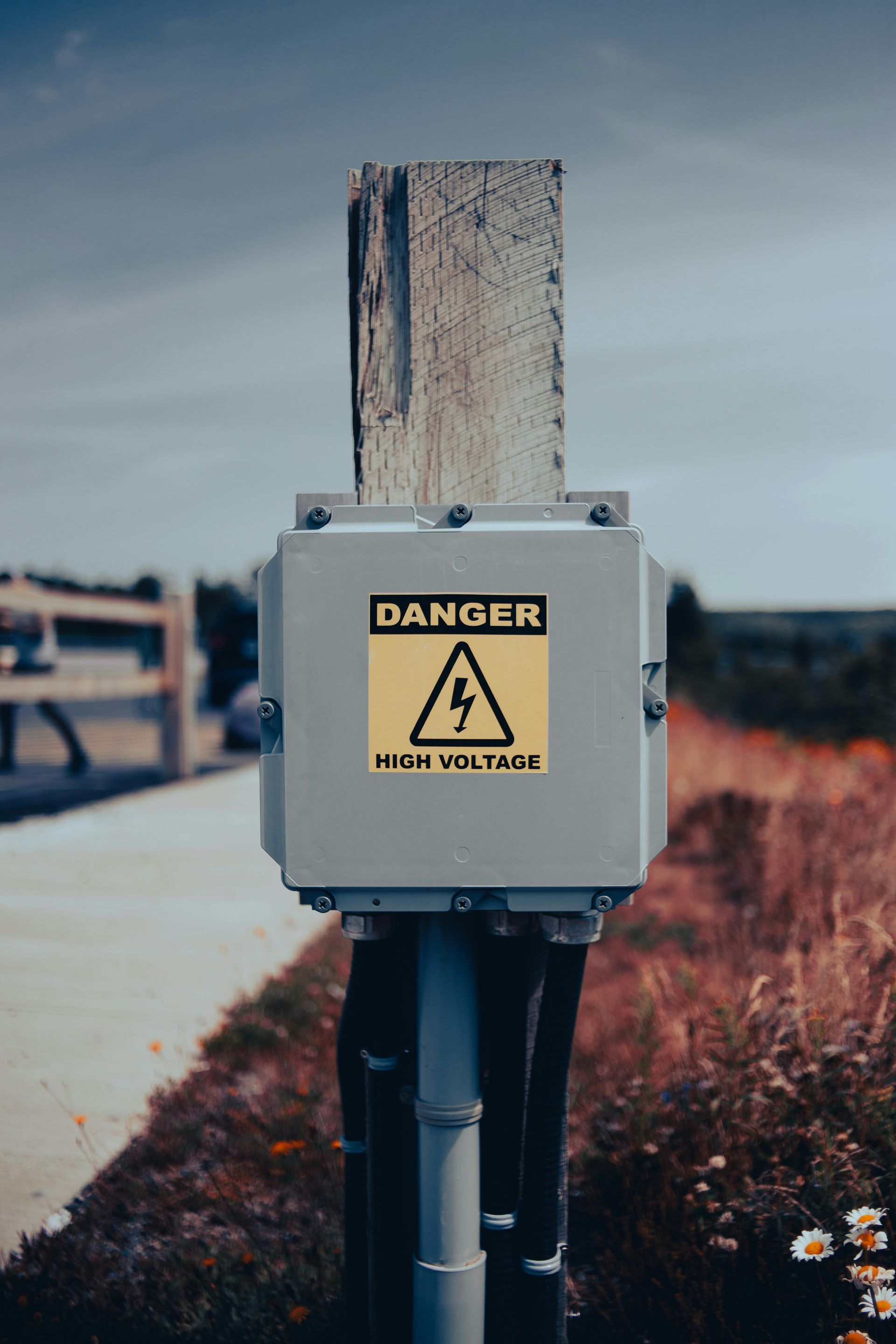
Finding Faults Without Destroying Your Landscape
Underground Electrical Break Locating and Repair in Missoula for power failures in buried lines
A tripped breaker that won't reset or a completely dead outlet in your shop often indicates a break somewhere in the underground line, but the failure point could be anywhere along a 200-foot buried run. Edison Electric uses time-domain reflectometry and acoustic fault-finding equipment to identify the break location within inches rather than excavating the entire pathway. The diagnostic process sends signal pulses through the damaged conductor and measures the reflection pattern to calculate exact distance to the fault, then uses a specialized receiver to pinpoint the surface location above the break.
Underground faults develop when settling soil creates stress points on conduit joints, freeze-thaw cycles crack aging wire insulation, or rodents chew through direct-burial cable that wasn't properly protected. Lines feeding RV pedestals, hot tubs, and detached workshops face higher failure rates because they carry sustained high-amperage loads that generate heat in compromised connections. The locating equipment distinguishes between complete wire breaks, partial insulation failures, and water intrusion that creates intermittent ground faults.
Request a fault location service to identify the exact problem area before any digging begins.
How Precision Locating Addresses the Problem
The locating process starts with circuit testing at both the panel and the dead endpoint to confirm the fault is underground rather than in a junction box or fixture. Specialized equipment sends a controlled high-voltage pulse through the line that creates an audible signal at the break point, which technicians trace using surface receivers sensitive enough to detect the fault through two feet of soil. This approach works on any buried conductor including aluminum service lines, copper branch circuits, and the large-gauge feeders running to solar arrays or backup generator transfer switches.
After repair, the circuit will function exactly as it did when first installed—no voltage drop, no nuisance tripping, and full amperage capacity to the endpoint. The excavation site measures roughly two feet square rather than a trench spanning the entire run, and Edison Electric uses waterproof splice methods or conduit section replacement depending on the damage type and wire condition. Repairs include proper backfill compaction and surface restoration so the dig site blends back into surrounding landscaping.
The repair method depends on fault severity—simple wire breaks receive waterproof heat-shrink splicing, while corroded sections or multiple failure points may require pulling new conductor through existing conduit. Solar array feeders and high-voltage runs to Tesla Powerwall systems demand specific splice techniques that maintain system warranties and meet code requirements for renewable energy installations.
Answers to Underground Fault Questions
Property owners dealing with underground electrical failures want to understand the diagnostic process and what the repair involves before committing to excavation.
How long does locating a buried electrical fault typically take?
Most residential fault locations are completed within two to three hours including circuit testing, signal tracing, and surface marking of the exact break point, though complex multi-circuit runs or very long distances may extend the diagnostic time.
What causes underground electrical lines to fail?
The most common failures in the Bitterroot Valley result from water infiltration at splice points, conductor corrosion where dissimilar metals contact in wet soil, and physical damage from ground settling that stresses conduit connections or pulls wires tight against sharp edges.
Why do RV outlet circuits fail more often than other buried lines?
RV pedestals carry sustained 50-amp loads during camping season, and the combination of high current and temperature cycling accelerates insulation breakdown at any weak points in the buried conductor.
How accurate is the locating equipment?
Modern time-domain reflectometers pinpoint faults within six to twelve inches in typical soil conditions, and acoustic detectors confirm the exact surface position before any excavation starts, eliminating the guesswork that leads to multiple exploratory dig sites.
What happens if the entire buried line needs replacement?
When multiple faults appear or the conductor shows extensive corrosion, Edison Electric pulls new wire through the existing conduit system if it's still intact, or installs a completely new conduit run if the original pathway has failed—both options cost significantly less than the initial installation because the routing is already established.
Edison Electric provides 24/7 emergency fault locating throughout Missoula, Hamilton, and Stevensville when power loss affects critical systems like well pumps or refrigeration. Contact our office at (406) 369-2886 to arrange diagnostic service and receive a repair estimate based on the specific fault condition.