Backup Power When Operations Cannot Stop
Commercial Generator Installation in Missoula for businesses requiring uninterrupted electrical service
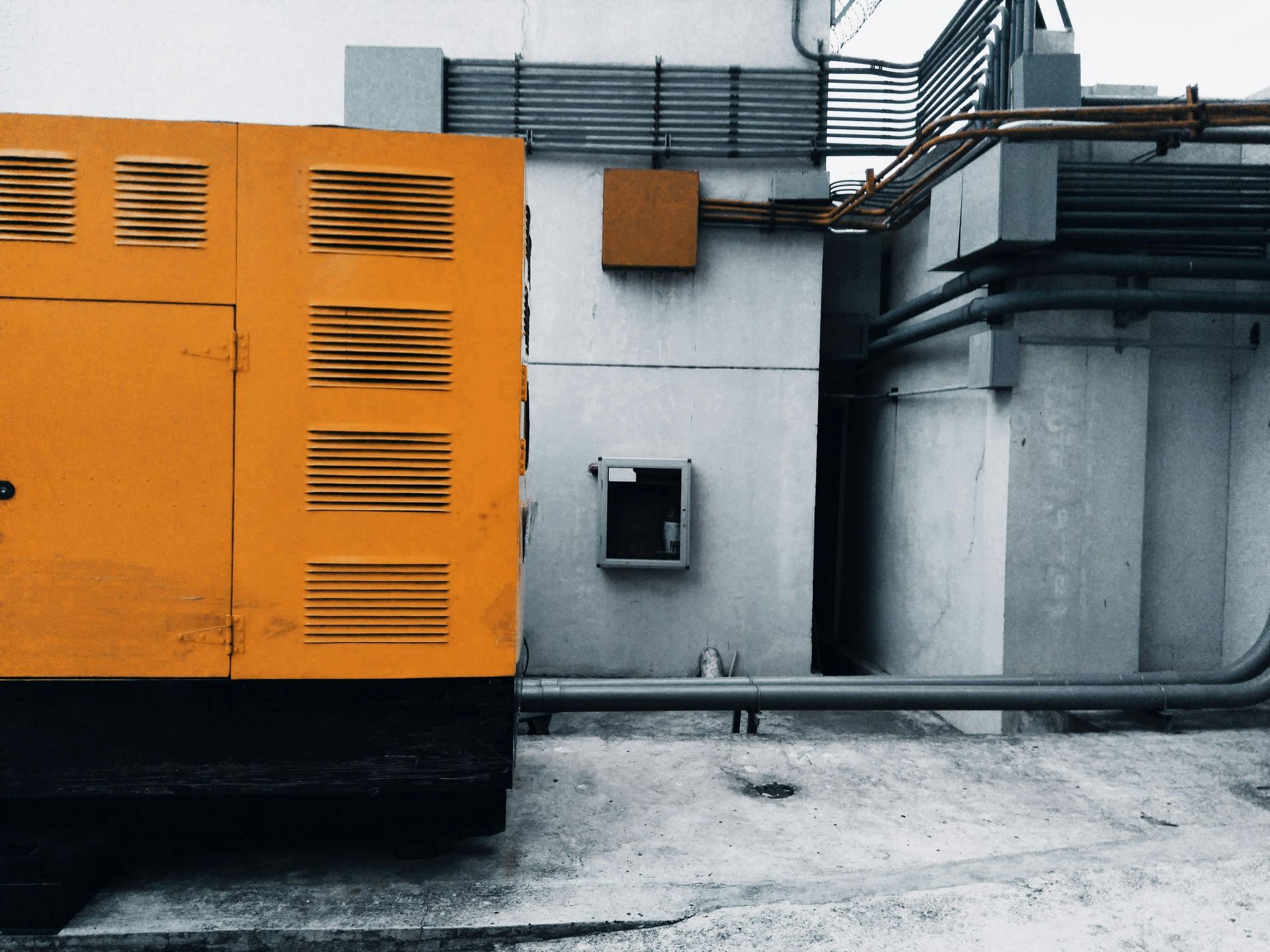
Power outages in commercial facilities create compounding costs—lost productivity during the outage itself, spoiled inventory in refrigerated storage, corrupted data from abrupt system shutdowns, and revenue loss that extends beyond the actual downtime as operations restart and catch up. Standby generators sized for commercial loads automatically detect grid failure and restore power to critical circuits within seconds through automatic transfer switches that monitor utility voltage and switch to generator power without manual intervention. Edison Electric performs load analysis to determine generator capacity requirements by measuring your facility's actual power draw across all three phases, accounting for motor starting currents that temporarily spike to several times running amperage, and identifying which circuits require backup versus which can shed during generator operation to reduce required generator size and fuel consumption.
Commercial installations differ fundamentally from residential systems in their use of three-phase power distribution, significantly higher kilowatt capacities, and integration with building management systems that control HVAC, security, and data infrastructure. The generator must handle not just lighting and receptacles but also commercial refrigeration compressors, ventilation fans, and process equipment specific to your operation.
Request a commercial site evaluation to assess your facility's backup power requirements and development installation timeline.
What Commercial Installation Actually Accomplishes
What Facility Managers Need to Know
Business owners and facility managers evaluating backup power systems ask detailed questions about capacity planning, installation logistics, and operational requirements before committing to capital investment.
How is commercial generator size determined?
Edison Electric measures your facility's actual load using power analyzers that record demand across all three phases over several days, capturing peak usage patterns and identifying the kilowatt capacity needed to maintain operations plus 20 percent margin for future equipment additions or unusual load conditions.
What's the difference between single-phase and three-phase generator systems?
Three-phase systems distribute power more efficiently across industrial motors and large HVAC equipment common in commercial facilities, and they require specialized transfer switches and load balancing that ensures each phase carries appropriate amperage without overloading individual legs of the service.
How long does commercial generator installation typically take in Missoula?
Standard installations for facilities under 10,000 square feet usually complete in three to five days including pad construction, unit placement, fuel line connection, transfer switch installation, and final commissioning, though projects requiring utility coordination or extensive electrical upgrades may extend to two weeks.
What ongoing maintenance do commercial generators require?
Generac commercial units need oil and filter changes every 200 to 400 hours of operation depending on load levels, annual load bank testing to verify full-capacity performance, and inspection of battery systems that provide starting power when grid failure occurs.
Can generators be installed on rooftops or inside buildings?
Commercial installations can accommodate rooftop placement with proper structural support and vibration isolation, or indoor installation in dedicated generator rooms with sufficient ventilation, though these configurations increase installation complexity and cost compared to ground-level exterior placement standard in most Bitterroot Valley facilities.
Edison Electric installs and maintains commercial standby generator systems throughout Missoula, Hamilton, and Frenchtown, with Generac certification for industrial-grade equipment and ongoing service contracts that maintain system readiness. Speak with a project manager at (406) 369-2886 to discuss load requirements and installation planning for your facility.