
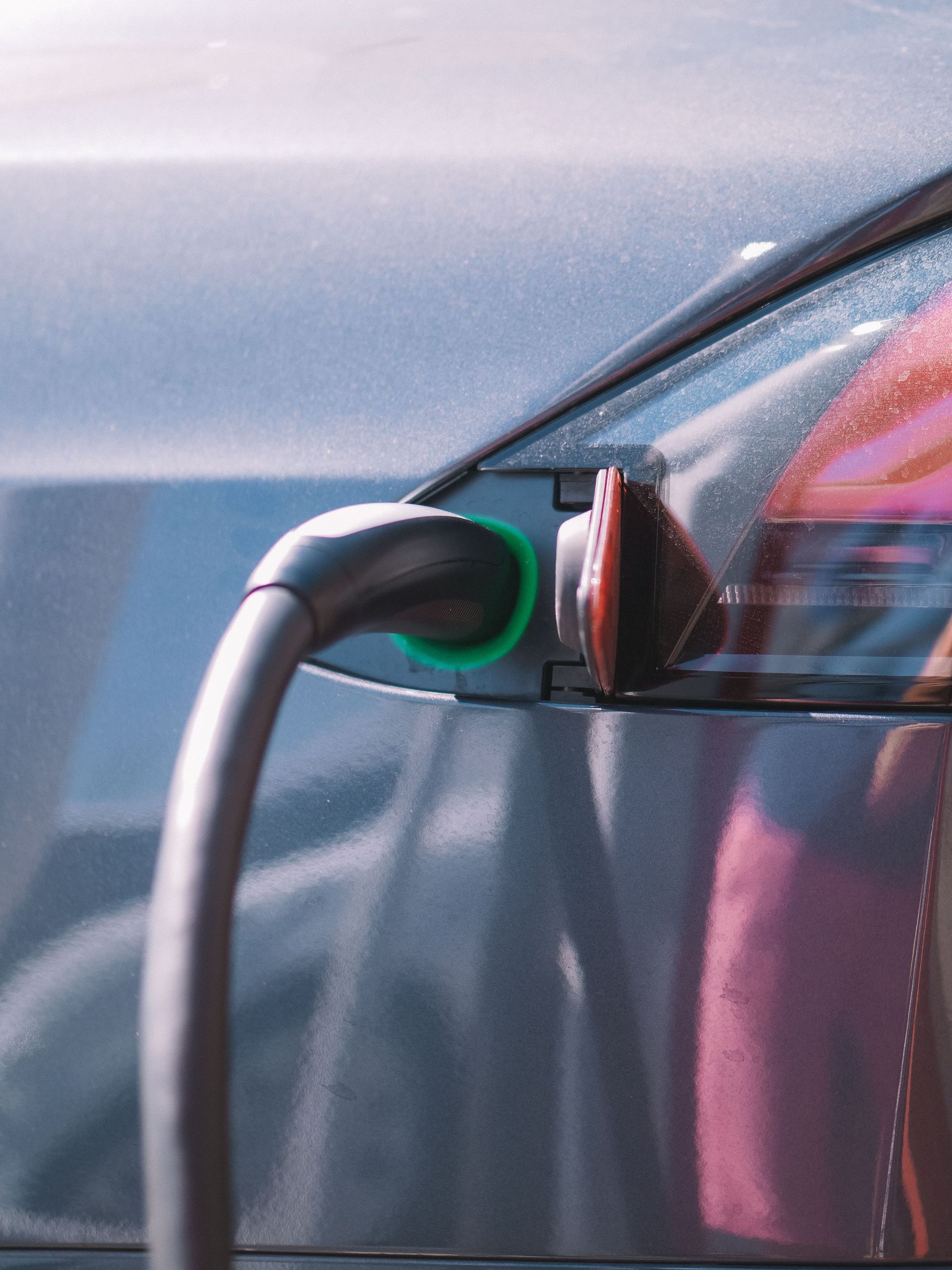
Level 2 EV Charging That Actually Keeps Pace With Your Daily Driving Range
What Full Overnight Charging Delivers for Electric Vehicle Owners
Complete overnight charging that restores 200+ miles of range before your morning commute eliminates the range anxiety that makes some drivers hesitant about electric vehicles. Level 2 charging stations deliver this capability by providing 240-volt power that charges 6-8 times faster than standard household outlets, transforming your garage or carport into a refueling station that works while you sleep. For Drummond residents who might drive to Missoula, Helena, or across Granite County for work, this charging speed means you start each day with maximum range regardless of how much you drove yesterday.
The process of proper EV charging station installation starts with evaluating your electrical service capacity and determining optimal circuit sizing for your specific vehicle and charging equipment. Tesla Wall Connectors and other major Level 2 chargers require dedicated 240-volt circuits rated between 40 and 60 amps depending on the unit's maximum output. Edison Electric calculates whether your existing service panel can accommodate this additional load or if upgrades are necessary, then routes appropriate gauge wire from the panel to your charging location. Circuit sizing directly affects charging speed: a 60-amp circuit supporting a 48-amp charger adds about 44 miles of range per hour for most EVs, while a 40-amp circuit with a 32-amp charger adds roughly 30 miles per hour. For overnight charging spanning 8-10 hours, both configurations fully charge depleted batteries, but higher amperage circuits provide faster top-ups if you need quick afternoon charging between trips.
How Proper Circuit Sizing Prevents Breaker Trips and Service Panel Overloads
Your main electrical service has finite capacity—typically 100, 150, or 200 amps for residential properties—and every circuit draws against this total. Adding an EV charger that pulls 40-50 amps continuously for hours requires careful load calculation to ensure you're not exceeding panel capacity when multiple systems operate simultaneously. In Drummond homes with electric heat, well pumps, and now EV charging, the cumulative load approaches or exceeds what older 100-amp services can safely deliver. This is why professional installation includes load calculation worksheets that document existing circuits, estimate simultaneous usage patterns, and determine whether service upgrades are necessary before connecting charging equipment.
The charging station itself mounts to garage walls, exterior siding, or dedicated posts near parking areas, with weatherproof enclosures protecting connections from Montana precipitation and temperature swings that range from subzero winters to summer heat. Cable management keeps the charging cord accessible but organized, preventing trip hazards and protecting the cord from vehicle traffic or door strikes. For Tesla vehicles, the Wall Connector integrates with the car's software to schedule charging during off-peak utility hours when rates are lower, and for properties with solar arrays, smart charging can prioritize daytime charging when your panels generate excess power. These scheduling capabilities produce observable cost savings: your vehicle charges using cheaper off-peak electricity or free solar production rather than expensive evening peak rates, cutting your per-mile driving cost significantly compared to gasoline.
If you're considering EV charging installation for your Drummond property and want to understand circuit requirements, panel capacity, and installation locations that work with your parking configuration, we can evaluate your specific electrical service and vehicle charging needs.
Installation Components That Determine Charging Reliability and Safety
EV charging station installation involves more than running wire and mounting equipment—it requires components and techniques that ensure reliable operation through thousands of charge cycles and Montana's temperature extremes. Skipping steps or using undersized materials creates charging failures, overheating connections, or breaker trips that leave you with an uncharged vehicle when you need it.
Dedicated circuit breakers with appropriate ampacity ratings that protect the charging circuit without nuisance tripping during normal operation
Wire gauge selection based on circuit amperage and run length from panel to charger, accounting for voltage drop on longer runs to detached garages
GFCI protection as required by code for garage and outdoor installations, preventing shock hazards in wet conditions
Proper mounting height and cord management that keeps the connector accessible without creating tripping hazards or cable damage from vehicle movement
Commercial installations requiring conduit protection, ADA-compliant mounting heights, and multiple charging stations with load management systems that prevent simultaneous charging from overloading service capacity
You'll notice the difference immediately: your EV charges reliably every night without breaker trips, cable management keeps your garage organized, and you're not dealing with voltage drop issues that slow charging speeds on inadequately sized circuits. For properties with multiple EVs or commercial locations offering employee charging, load management prevents all vehicles from drawing maximum current simultaneously, which would otherwise exceed panel capacity. If Level 2 charging installation makes sense for your Drummond location, whether residential or commercial, we can assess your electrical service, determine appropriate circuit sizing, and recommend charging equipment that matches your vehicle and usage patterns.