Wiring Systems Designed for Mobile Home Construction
Mobile home electrical install and repair in Missoula for properties where standard residential wiring methods don't apply
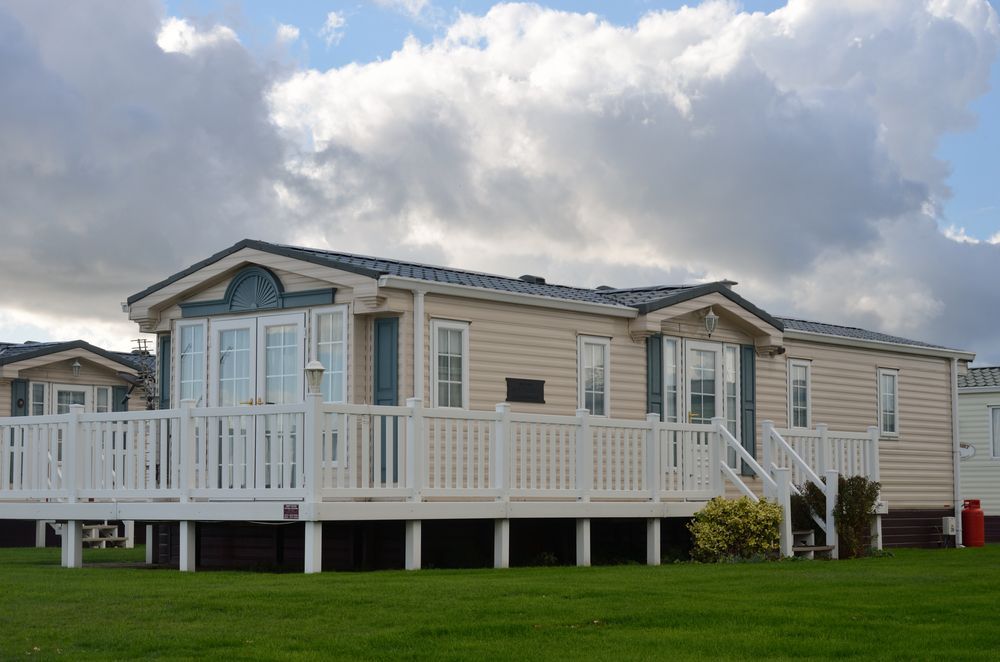
Mobile homes use different electrical installation standards than site-built houses, with wiring that must accommodate structural movement, limited wall cavity depth, and specific code requirements under HUD regulations rather than the NEC alone. Edison Electric provides mobile home electrical installation and repair services in Missoula, addressing everything from service entrance upgrades to circuit additions and fixture replacements that account for the unique construction methods used in manufactured housing. Your mobile home may show its age through insufficient outlet counts, undersized service panels, or aluminum wiring that creates connection failures and fire risks not common in conventional homes.
Electrical work in mobile homes requires understanding how wiring routes through floor joists and wall studs sized differently than stick-built framing, along with connections made inside junction boxes mounted in locations that vary by manufacturer and model year. Repairs often address failing breakers in panels located in bedroom closets or exterior utility compartments, outlets that loosen from thin wall surfaces, and service feeders corroded by moisture intrusion at the home's underbelly penetration point.
Request a mobile home electrical assessment to identify panel capacity, wiring condition, and code compliance for your specific installation needs.
The Difference Between Mobile and Site-Built Electrical Work
Installations begin by identifying wiring paths that navigate manufactured home framing without damaging vapor barriers or insulation, then fishing cables through wall and floor cavities built with shallower dimensions than conventional construction. Mobile home panels often max out at 100 or 150 amps, and adding circuits may require upgrading the main service if existing capacity is fully allocated or if you're installing high-draw appliances like heat pumps or electric water heaters.
Once electrical upgrades or repairs are complete, you'll have adequate outlet coverage for modern electronics, breakers that don't trip under normal loads, and secure connections that don't work loose as the home shifts slightly on its foundation supports. Properly installed wiring accounts for the flex and settling inherent in mobile home structures, using methods that prevent wire chafing at metal frame penetrations and maintain ground continuity through chassis bonding required by manufactured housing codes.
Work also includes verifying that aluminum wiring, common in older mobile homes, is terminated correctly with anti-oxidant compound and connectors rated for aluminum-to-copper transitions. Service entrance cables that feed the home from an exterior meter pedestal must be protected from physical damage and moisture, especially where they enter the home's belly through floor openings vulnerable to rodent damage and weather exposure in Missoula's freeze-thaw cycles.
Answers to Common Mobile Home Electrical Questions
Mobile homeowners often ask about service upgrades, safe handling of aluminum wiring, and whether modern electrical devices are compatible with older manufactured home systems.
What makes mobile home wiring different from standard residential electrical?
Mobile homes follow HUD manufacturing standards that specify wiring methods suited to thinner walls, metal framing, and structural movement, including specific grounding through the steel chassis and junction box placement that differs from site-built homes.
How is aluminum wiring handled during mobile home repairs?
Aluminum wire requires connectors and terminations specifically rated for aluminum, along with anti-oxidant paste that prevents corrosion at connection points, since improper terminations create high-resistance joints that overheat and cause fires.
When does a mobile home service panel need upgrading?
Upgrades become necessary when you're adding central air conditioning, electric heating, or other high-draw appliances that exceed the existing panel's amperage capacity, or when the panel itself is outdated with breakers no longer manufactured.
What challenges affect adding circuits in older mobile homes?
Limited panel space, difficulty fishing wire through shallow wall cavities without exterior access, and locating blocking or framing members that aren't visible all complicate circuit additions compared to site-built homes with deeper wall and attic access.
How does Missoula's climate affect mobile home electrical systems?
Temperature swings and moisture from snow accumulation can corrode connections in exterior panel boxes and service entrance cables, while underfloor wiring exposed to freezing temperatures may suffer insulation damage if protective belly wrap is torn or missing.
Edison Electric understands the construction differences that affect electrical work in manufactured housing and handles installations and repairs according to both HUD and local electrical codes. Schedule a service call to upgrade your mobile home's electrical capacity or resolve wiring issues specific to manufactured home construction.