Critical Power Systems That Never Let Patients Down
Healthcare Electrical Services in Missoula for hospitals and clinical spaces where uninterrupted power protects vulnerable patients
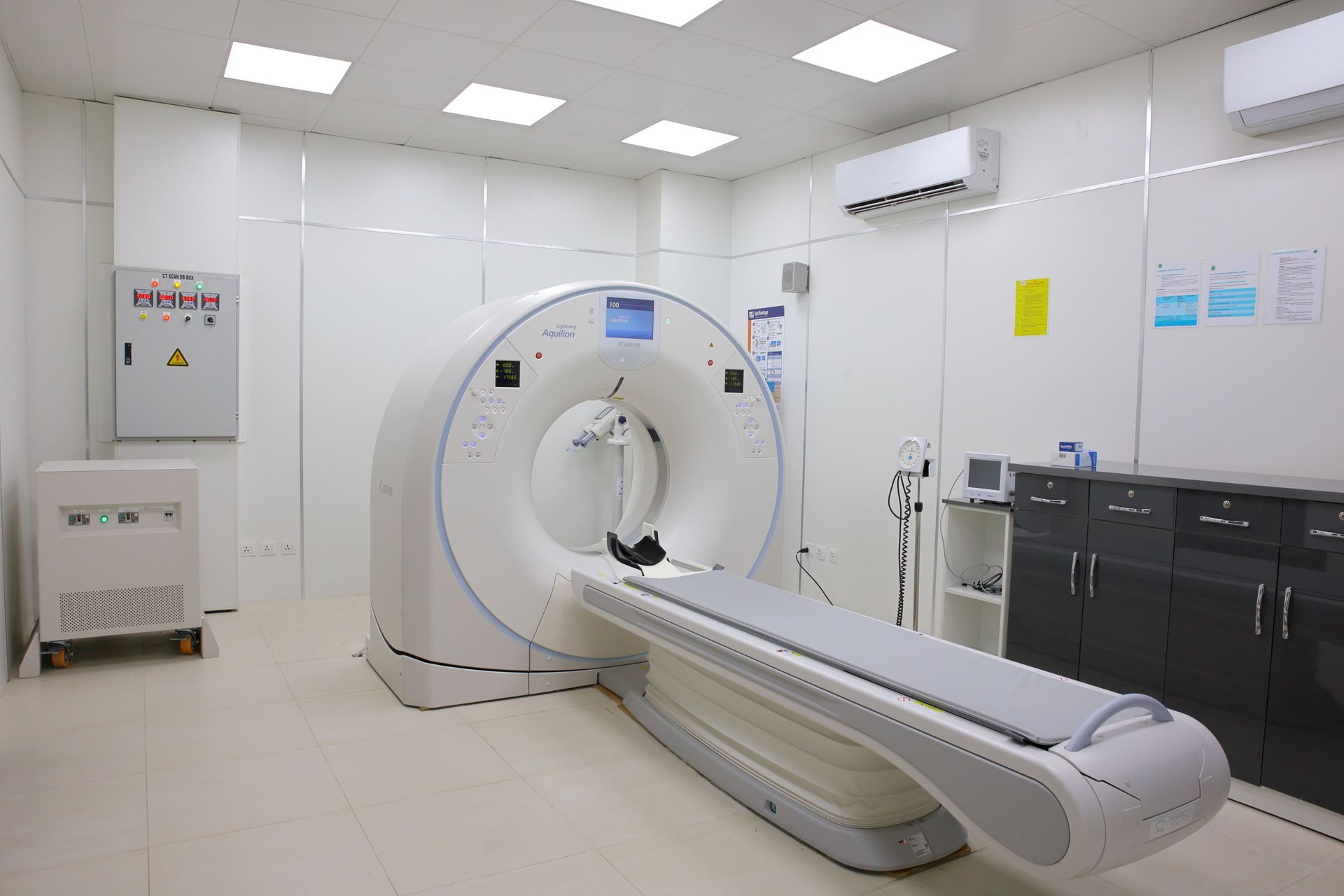
Backup generators, transfer switches, and redundant circuits form the foundation of healthcare electrical infrastructure, creating multiple layers of protection when standard power fails. Edison Electric installs and maintains these critical systems throughout Missoula, where winter storms and grid interruptions can threaten facility operations. Hospitals and clinics depend on these specialized installations to maintain life-support equipment, surgical lighting, climate control systems, and electronic health records during any power event.
Healthcare facilities require electrical systems built to standards far exceeding typical commercial installations, with automatic transfer switching that engages backup power within seconds of detecting grid failure. Every circuit serving critical care areas operates on redundant pathways, ensuring that even if one power source fails, equipment remains operational without interruption. Compliance with strict healthcare electrical codes mandates regular testing, maintenance schedules, and documentation that proves system readiness at all times.
Schedule a facility assessment to evaluate your current backup power capacity and identify vulnerabilities in critical care areas..
What Proper Healthcare Electrical Infrastructure Requires
Healthcare electrical installations begin with load calculations that account for every piece of life-sustaining equipment, followed by generator sizing that provides adequate capacity with reserve margin for future expansion. Transfer switches undergo programming that prioritizes power delivery to operating rooms, intensive care units, and emergency departments before routing electricity to administrative or support areas. All wiring serving patient care spaces follows hospital-grade specifications, with color-coded conduit systems that allow maintenance teams to instantly identify critical versus non-essential circuits.
After Edison Electric completes a healthcare electrical installation, facility managers notice that power transitions happen without flickering lights or equipment resets, ventilators and monitors continue operating through grid outages, and monthly system tests confirm readiness without disrupting patient care. Documentation provided after each service includes load reports, transfer switch logs, and compliance certificates required during accreditation reviews. Emergency lighting remains illuminated throughout patient corridors, exit pathways stay clearly marked, and nurse call systems maintain functionality regardless of external power conditions.
These systems also include isolated ground circuits for sensitive diagnostic equipment, separate emergency panels that feed only code-required loads, and automatic testing sequences that simulate power failures without affecting operations. Maintenance agreements typically cover quarterly inspections, annual load bank testing of generators, and immediate response for any system alerts that indicate potential failures before they affect patient care.
Questions Healthcare Facilities Ask About Electrical Systems
Healthcare administrators and facility directors often need clarity on what distinguishes compliant electrical systems from standard commercial installations and how to maintain readiness over time.
What happens during an automatic transfer switch test?
The system simulates a utility power failure by opening the main breaker, starts the backup generator, transfers the load to emergency power, then reverses the process to confirm seamless operation without interrupting connected equipment.
How often do backup generators require load bank testing in Missoula?
Annual full-load testing confirms that generators can sustain maximum rated output for extended periods, which is critical during winter storms that may require days of continuous operation before utility power restoration.
What makes hospital-grade wiring different from standard electrical installations?
Healthcare wiring uses copper conductors sized for continuous duty with minimal voltage drop, hospital-grade receptacles with enhanced retention force to prevent accidental disconnection, and color-coded systems that distinguish normal power from emergency circuits.
When should facilities upgrade from single to dual generator configurations?
Facilities performing surgical procedures, housing ventilator-dependent patients, or operating imaging equipment requiring stable power benefit from redundant generators that provide backup to the backup system.
What documentation do accreditation surveyors expect to review?
Inspectors examine monthly generator run logs, annual transfer switch operation records, emergency lighting battery test results, and load calculation sheets proving adequate capacity for all connected critical loads.
Edison Electric maintains healthcare electrical systems throughout Missoula with testing schedules designed around facility operations and compliance requirements. Arrange a system evaluation to verify that your current infrastructure meets updated healthcare electrical codes and provides the redundancy your patient population requires.