Why Generic Electricians Struggle With Standby Generator Systems
What Most Electrical Contractors Miss About Automatic Transfer Switch Integration
Many electricians can wire circuits and install panels competently but lack specific training in generator interconnection, automatic transfer switch programming, and utility coordination that standby power systems require. This knowledge gap produces installations with improper neutral bonding that creates ground faults, transfer switches that don't execute clean transitions between utility and generator power, or generator sizing that falls short during simultaneous loads like well pumps starting while the furnace runs. In St Ignatius, where rural properties depend on well water and heating systems that stop working during extended winter outages, generator installation mistakes create false security - you think you have backup power until an actual outage reveals system failures.
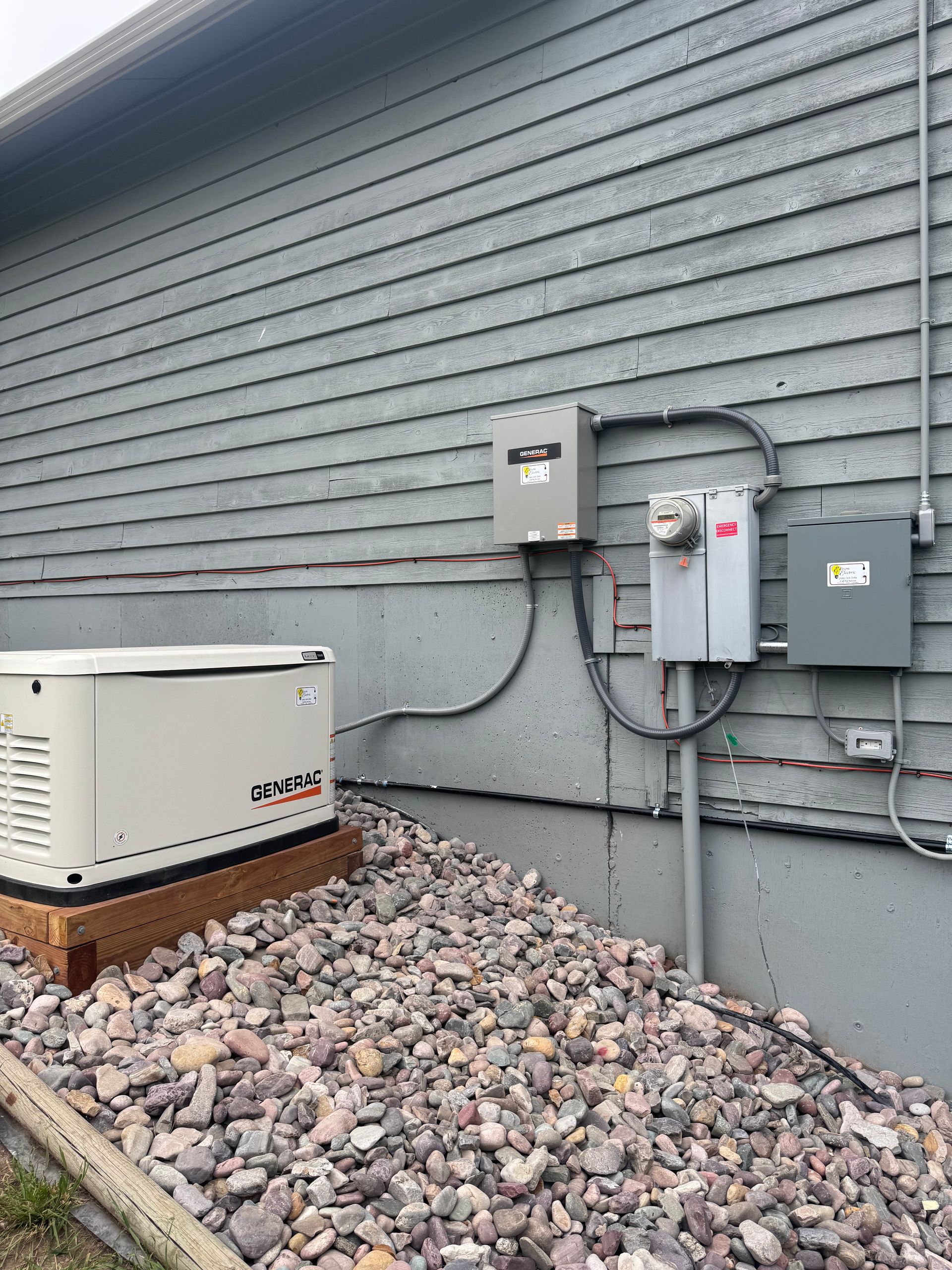
Generac certified installation addresses these technical requirements through manufacturer-specific training covering generator sizing calculations, fuel system integration for natural gas and propane connections, automatic transfer switch installation that meets utility interconnection standards, and commissioning procedures that verify proper operation before you ever lose power. Edison Electric applies this certified process to determine your home's critical loads, size an appropriately rated generator, integrate with your existing propane infrastructure or natural gas service, install and program the automatic transfer switch, and conduct load bank testing that simulates real outage conditions to confirm seamless power transition.
How Automatic Transfer Switches Eliminate the Manual Switching That Fails During Emergencies
Manual transfer switches require you to be home, recognize the outage, go outside in whatever weather caused the outage, start the generator, return inside to flip transfer switches, then reverse the entire process when utility power restores. This manual process fails when outages occur at night, when you're traveling, or during severe weather that makes operating outdoor equipment dangerous. Automatic transfer switches eliminate this entire manual sequence by continuously monitoring utility voltage and commanding the generator to start within seconds of detecting outage conditions, then switching your home's electrical load to generator power automatically once the unit reaches operating voltage and frequency.
The transfer switch itself installs between your utility meter and main panel, becoming the control point that routes power from either utility lines or generator output to your home's circuits. For whole-house coverage, the switch handles your complete electrical load up to the generator's rated capacity. For partial-house systems common in larger St Ignatius properties, the switch powers a sub-panel containing only critical circuits - heating, well pump, kitchen appliances, select lighting—which allows smaller, more economical generator sizing. Generac units ranging from 11kW to 26kW cover most residential applications, with sizing determined by calculating simultaneous loads rather than simply adding nameplate ratings. A properly sized system starts your well pump, powers the furnace blower, runs the refrigerator, and handles lighting without overloading the generator or requiring you to manually manage which appliances run
If backup power makes sense for your St Ignatius property and you want to understand generator sizing, fuel options, and transfer switch configurations that match your specific electrical loads, we can provide detailed assessment and certified installation.
What to Evaluate Before Committing to Standby Generator Installation
Standby generator systems represent significant investment, and making informed decisions requires understanding the factors that affect reliability, operating costs, and actual backup capability. Asking the right questions up front prevents discovering limitations after installation when it's expensive to modify the system.
Generator sizing that accounts for motor starting loads like well pumps and furnace blowers, which draw 3-5 times running amperage during startup and can overload undersized units
Fuel type selection between natural gas and propane based on availability in St Ignatius, where most properties rely on propane tanks that require adequate capacity for extended runtime during multi-day outages
Transfer switch location that protects equipment from weather while maintaining clearance requirements and allowing service access for maintenance
Whole-house versus critical circuit backup decisions that balance comprehensive coverage against generator cost, fuel consumption, and installation complexity
Maintenance requirements for oil changes, filter replacement, and exercise cycles that keep the generator ready to start after sitting idle for months between outages
Certified installation creates immediate, observable differences: when utility power fails, your generator starts automatically within 10 seconds, transfer occurs smoothly without manual intervention, and your home maintains comfortable temperature, running water, and food preservation throughout the outage. You're not rationing generator runtime or manually switching loads because the system handles everything automatically. For St Ignatius properties where outage duration and frequency justify backup power investment, proper Generac certified installation with correctly sized equipment and professionally programmed transfer switches delivers reliable, hands-off emergency power when you actually need it.