
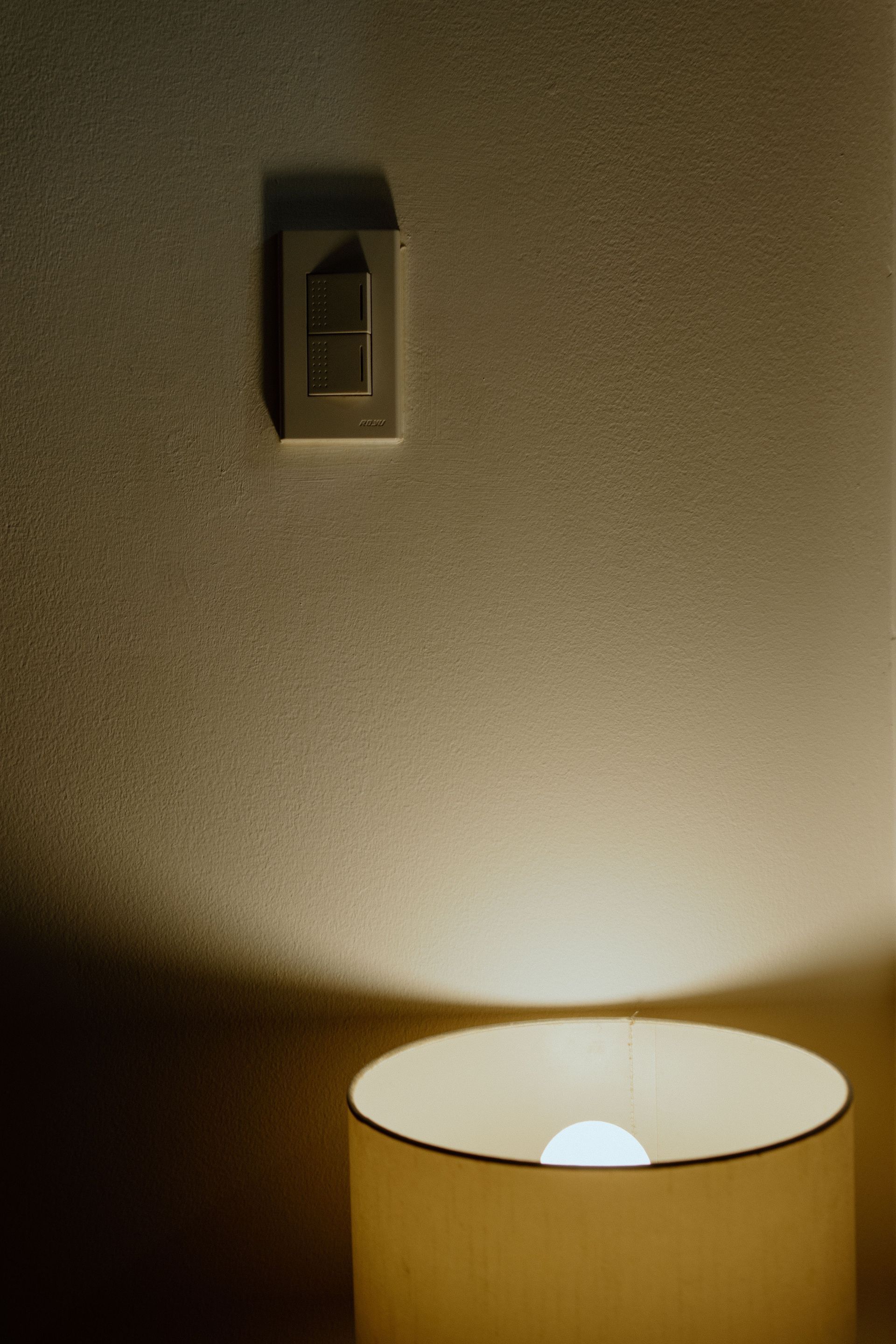
Lighting Control That Changes With Your Needs
Dimmer Switch Installation in Hamilton for customized lighting in living spaces and home offices
A living room that feels too bright for evening conversation or a kitchen where overhead lights glare during morning coffee points to a common issue in homes wired with only on-off switches. Edison Electric installs dimmer switches throughout Hamilton, giving you variable control over lighting intensity in any room. The ability to adjust brightness transforms how spaces feel and function throughout the day.
Dimmer installation involves replacing standard switches with variable-control units compatible with your existing light fixtures and bulb types. LED bulbs require dimmers specifically rated for low-voltage loads, as older rotary dimmers designed for incandescent bulbs will cause LEDs to flicker or fail to dim smoothly across their full range.
Arrange an evaluation to determine which dimmer models work with your current lighting setup and electrical box depth.
How Variable Lighting Affects Energy Use
Reducing light output by just 25 percent cuts energy consumption by roughly 20 percent, and the effect compounds across every fixture controlled by a dimmer. Beyond monthly utility savings, lowered operating temperatures extend bulb life significantly—an LED rated for 25,000 hours at full brightness may reach 40,000 hours or more when regularly dimmed.
After installation, you will notice immediate changes in how rooms feel during different activities—bright task lighting for cooking or reading, softer ambient levels for watching television or hosting guests. Hallways and bathrooms become safer at night with lights dimmed to levels that provide visibility without harsh glare that disrupts sleep.
Smart dimmer options integrate with voice assistants and smartphone apps, allowing you to adjust lighting remotely or program schedules that automatically lower lights at specific times. Some models include motion sensors or daylight detection that adjust brightness based on natural light coming through windows.
Common Questions About Dimmer Upgrades
Homeowners considering dimmer installation typically want to know about compatibility issues, wiring requirements, and the differences between traditional and smart dimmer models.
What types of bulbs work with modern dimmers?
LED and CFL bulbs require dimmers specifically labeled as compatible with those technologies, while older incandescent dimmers will cause buzzing, flickering, or incomplete dimming when used with energy-efficient bulbs.
How does dimming actually reduce energy costs?
Dimming works by reducing the voltage delivered to the bulb, which lowers both light output and power consumption—a fixture using 60 watts at full brightness might draw only 45 watts when dimmed halfway.
Why do some dimmers require neutral wires?
Smart dimmers and models with illuminated faceplates need a neutral wire to power their internal circuitry, but many older Hamilton homes have switch boxes containing only hot and switched-leg wires, which may require additional wiring work.
When should I choose a smart dimmer over a standard one?
Smart dimmers make sense for frequently adjusted lights or spaces where remote control adds convenience, while standard dimmers work well for simple brightness adjustment without the need for app integration or voice control.
What is the difference between rotary, slide, and touch dimmers?
Rotary dimmers use a dial for adjustment and push on-off, slide models combine a vertical slider with a separate switch, and touch dimmers use capacitive sensors—choice depends on personal preference and mounting box depth.
Edison Electric installs dimmer switches in homes and updated apartments throughout the area, handling compatibility verification, wiring upgrades when needed, and smart home integration for voice or app control. Contact us to discuss dimmer options suited to your lighting and daily routines.