
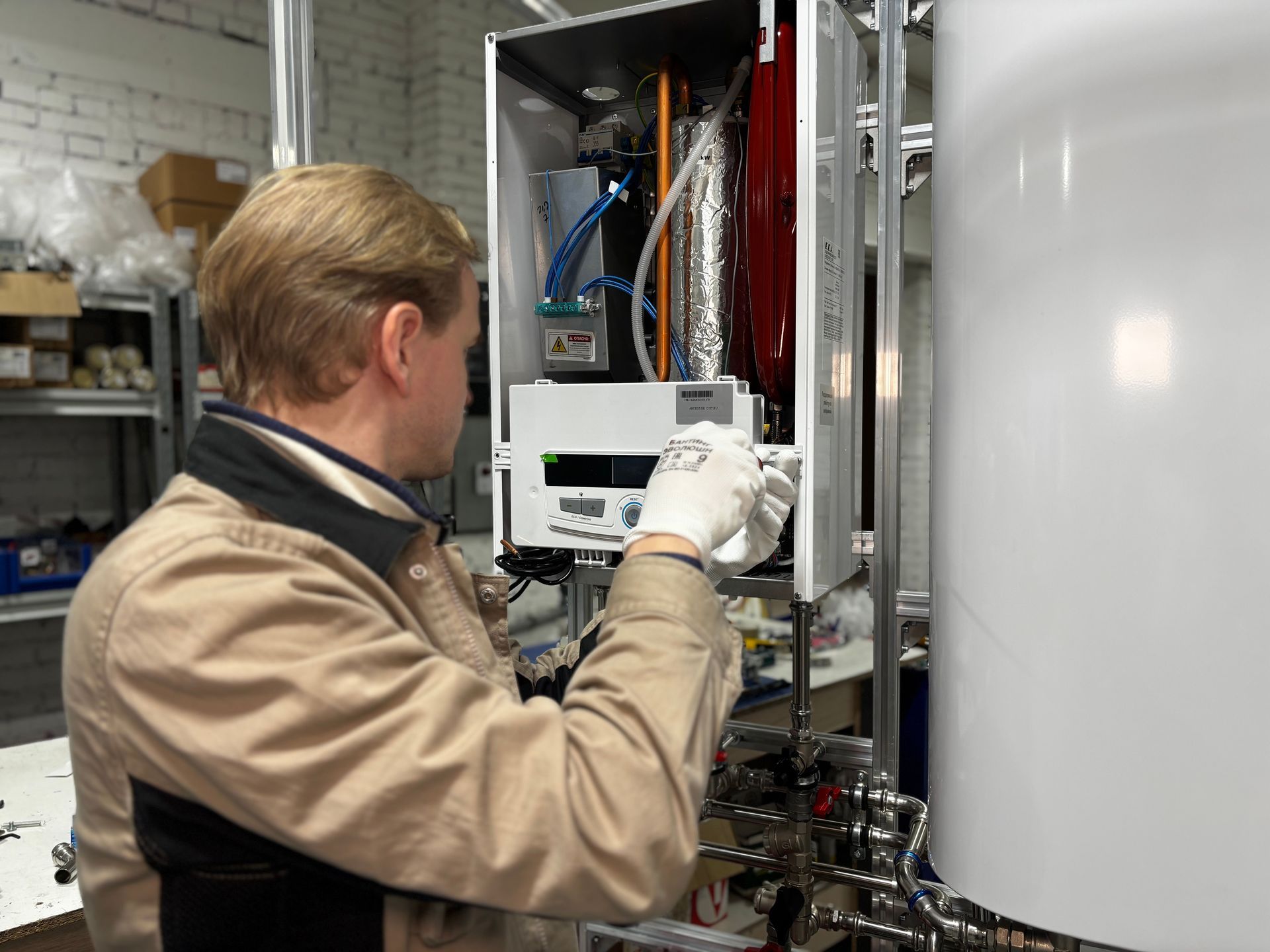
Heating Systems That Work From Day One
Electric heater installation in Missoula for homes and businesses that need reliable, properly connected heating units
Edison Electric handles electric heater installation in Missoula, covering everything from unit selection to final connection and safety testing. Homeowners and business operators who need a new heating unit installed correctly the first time—without undersized equipment or wiring that doesn't match the load—are the right fit for this service. The difference between a heater that runs efficiently and one that trips breakers or delivers uneven output often comes down to how the installation was scoped before any work began.
The installation process starts with selecting a heater appropriate to the space: room dimensions, existing wiring capacity, and how the unit will be controlled all factor into that decision. Once the right unit is identified, Edison Electric mounts and connects it to the electrical system, verifies that voltage and amperage match manufacturer specifications, and tests operation before the job is closed out. Older Missoula properties—particularly single-family homes built in the postwar decades—often have panel configurations that require evaluation before a new heating load is added.
Arrange an on-site assessment to review your space and existing electrical capacity before selecting a unit.
What Proper Electric Heater Installation Requires
Installing an electric heater involves more than placing a unit on the wall and running a wire to it. The circuit must be sized to carry the heater's rated load continuously—electric heaters typically draw at full amperage for extended periods, which means the circuit, breaker, and wiring gauge all have to be matched to that demand. If an existing circuit is being used, Edison Electric verifies it meets those requirements before connecting anything.
Once installation is complete, the most immediate change you'll notice is consistent heat output without the flickering lights, tripped breakers, or burning smells that signal an overloaded or improperly wired unit. A correctly installed heater reaches its set temperature and holds it without cycling erratically or drawing more current than the circuit can sustain.
Thermostat placement and type also affect performance—a poorly positioned thermostat reads ambient temperature inaccurately, causing the heater to run longer than necessary or shut off before the room reaches a comfortable temperature. Selecting the right control for the unit and the space is part of what gets evaluated during installation planning.
Answers About How the Work Is Done
These questions cover what happens during an electric heater installation and what to expect from the process.
What happens during the initial site evaluation for heater installation?
The electrician reviews the room dimensions, existing panel capacity, and available circuits to determine whether the current electrical infrastructure can support the new load or whether a dedicated circuit needs to be added before the heater is mounted.
How is the correct heater size determined for a given space?
Output is matched to the square footage and ceiling height of the room, with adjustments for insulation quality and how the space is used—a garage or finished basement with minimal insulation requires more output per square foot than a well-insulated interior room.
Why does electric heater installation require a dedicated circuit in many cases?
Electric heaters run at sustained amperage, and sharing a circuit with other loads can push the breaker beyond its rated capacity, causing nuisance trips or, in older wiring configurations common in Missoula homes built before the 1980s, creating a hazard at the connection points.
What gets tested before the installation is considered complete?
The unit is powered on and allowed to run through a heating cycle while the electrician checks for proper voltage at the terminals, confirms the thermostat responds accurately, and verifies there are no loose connections or abnormal current draws.
How does the installation process change for a commercial space versus a residential one?
Commercial installations often involve higher-voltage units and may require coordination with existing HVAC controls or building management systems, while residential work typically focuses on matching a standard 240-volt circuit to the heater's rated specifications.
Edison Electric also installs electric heaters in Hamilton, Lolo, Frenchtown, and Stevensville. To move forward with an installation, contact Edison Electric directly to discuss the specifics of your space and schedule an evaluation.