Converting Sunlight Into Usable Power
Solar Inverter Installation, Replacement & Repair in Missoula for maintaining solar system functionality
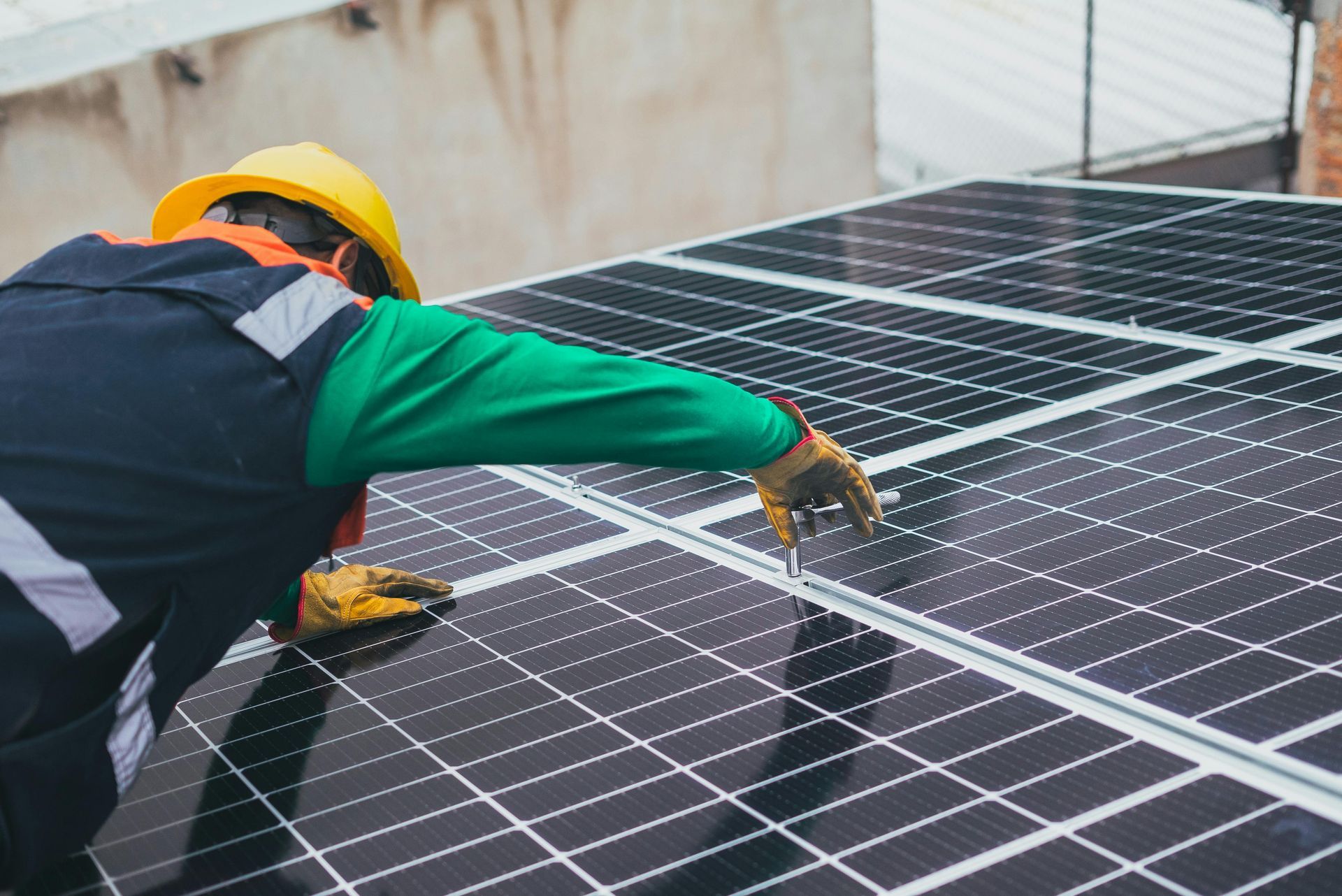
Solar panels generate direct current that your home cannot use until an inverter converts it to alternating current matching grid specifications, so inverter failure means zero power production regardless of how much sunlight hits the array. The inverter also manages voltage regulation, monitors system performance, and handles grid synchronization that allows excess production to feed back through your meter. Edison Electric diagnoses inverter malfunctions by analyzing error codes, testing DC input voltage from the array, measuring AC output quality, and checking communication links between the inverter and monitoring systems that track daily production.
Inverter problems show up as error messages in monitoring apps, complete production shutdown despite clear weather, or intermittent operation that cycles on and off throughout the day. Arc fault detection features in modern inverters sometimes create nuisance shutdowns when they misinterpret normal switching behavior as dangerous arcing, requiring recalibration or firmware updates to restore consistent operation.
Book a solar diagnostic appointment to identify whether production issues stem from inverter malfunction or other system components.
What Changes After Inverter Service Completes
Inverter replacement or repair restores the conversion process that turns DC panel output into AC power your home's electrical system can distribute to circuits and appliances. String inverters handle the entire array's output through a single conversion unit, while microinverter systems attach individual converters to each panel for optimization that prevents one shaded panel from reducing total system output. Tesla Powerwall 3 installations include integrated inverter functionality that eliminates the need for a separate string inverter, simplifying the system architecture and reducing potential failure points in battery-coupled solar installations.
Once the inverter is functioning correctly, your monitoring app will display real-time production data, error codes disappear from the display panel, and power generation resumes at levels matching your array's rated capacity under current weather conditions. The system will maintain consistent operation through Montana's temperature swings, which can range 40 degrees between morning and afternoon, causing expansion and contraction that stresses inverter connections and internal components if not properly installed with thermal management.
Inverter upgrades involve more than swapping the box—the work includes verifying DC wire sizing matches the new unit's input specifications, confirming AC disconnect ratings handle the output amperage, and programming settings for your specific utility interconnection requirements. Some older systems used inverters no longer manufactured, requiring adapter brackets and conduit modifications to mount current replacement models.
Questions Homeowners Ask About Solar Inverters
Solar system owners in the Bitterroot Valley want to understand inverter function, common failure patterns, and how repairs affect overall system performance before authorizing service work.
What are the most common signs of inverter failure?
The inverter display shows persistent error codes, the monitoring app reports zero production during sunny weather, you hear clicking or buzzing from the inverter cabinet, or the unit feels excessively hot to the touch even during moderate production periods.
How long do solar inverters typically last in Montana?
String inverters generally function for 10 to 15 years before requiring replacement, while microinverters often carry 25-year warranties, though high-altitude UV exposure and temperature extremes in mountain locations can accelerate component degradation in both types.
Why would an inverter shut down on very cold mornings in Missoula?
Some inverters include low-temperature cutoffs that prevent operation below manufacturer specifications, typically around negative 4 degrees Fahrenheit, and units installed in unheated garages or on north-facing walls may hit those limits during January cold snaps common in the Bitterroot Valley.
What's involved in upgrading to a Powerwall 3 integrated inverter system?
The conversion requires removing the existing string inverter, installing the Powerwall 3 unit with its built-in solar inverter, reconfiguring the array's DC wiring to connect to the battery system, and reprogramming the backup circuits that receive power during grid outages.
Can you repair inverters installed by other companies?
Edison Electric services all major inverter brands regardless of who performed the original installation, and diagnostics identify whether the problem requires simple repairs like replacing failed capacitors or complete unit replacement when control boards or power sections have failed.
As a Tesla Certified Installer, Edison Electric handles Powerwall 3 integration and inverter replacement throughout Stevensville, Hamilton, and surrounding areas, with 24/7 support for systems experiencing critical failures. Contact us at (406) 369-2886 to arrange inverter diagnostics or discuss upgrading to integrated battery-inverter systems.
Edison Electric works with builders, property owners, and commercial developers throughout Missoula and Seeley Lake, MT, to install solar systems that meet code requirements and production expectations. If your project includes solar as part of the original design, contact Edison Electric to coordinate installation with your construction schedule.