
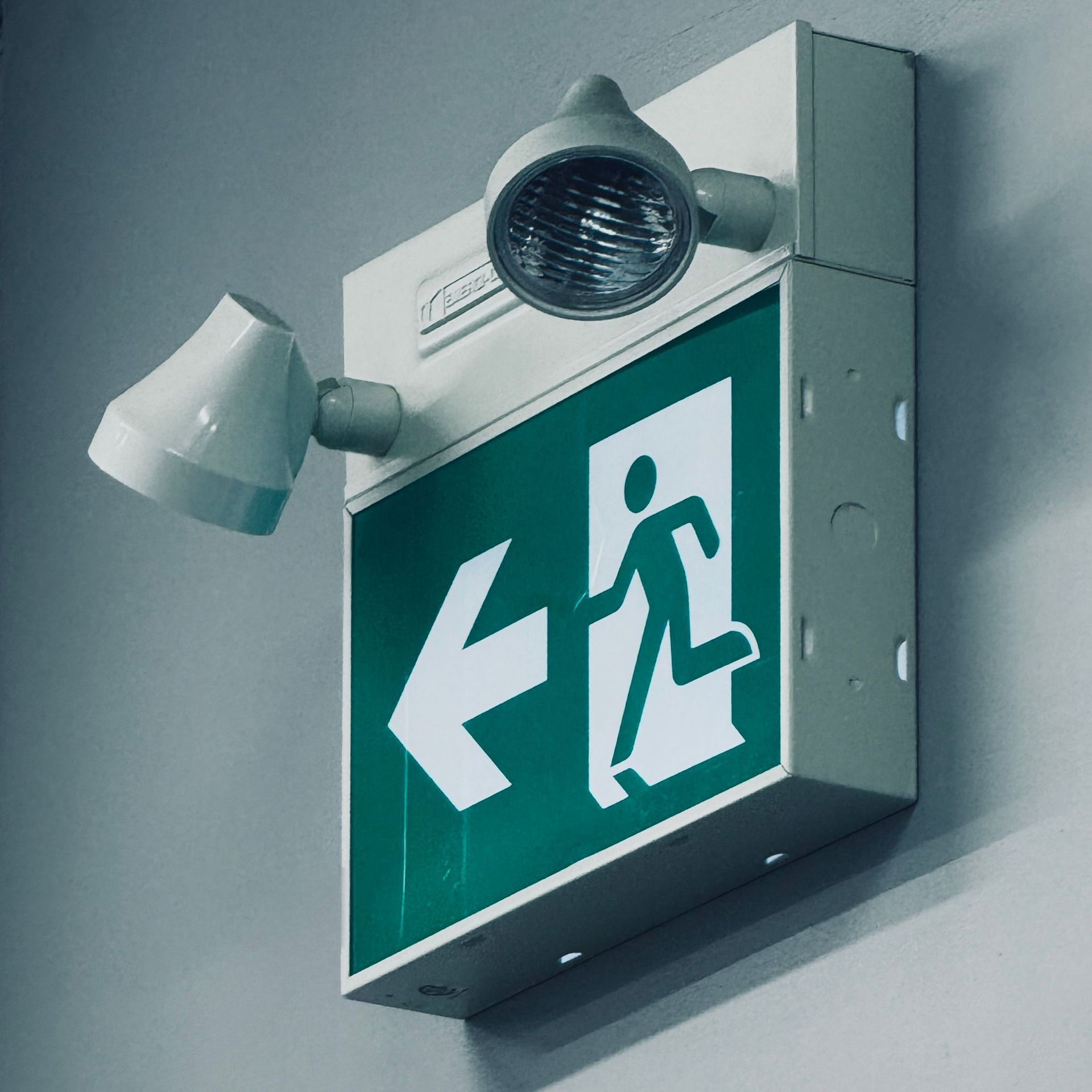
Safety Systems That Function When Power Fails
Emergency Lighting Installation in Missoula for properties requiring code-compliant backup illumination during outages
Battery-backed exit signs and generator-linked wall-mounted lamps stay dark until primary power cuts off, then activate automatically to guide occupants through darkened hallways and stairwells. Edison Electric installs emergency lighting systems in both residential and commercial properties throughout Missoula, matching fixture placement and backup power sources to building layout and occupancy requirements. These systems differ from standard lighting circuits because they include dedicated battery packs or generator connections that maintain illumination even when the main electrical service goes down.
Emergency lighting installation involves mounting fixtures at specific intervals along egress paths, wiring them to either internal battery units or external generator feeds, and verifying that each lamp reaches full brightness within seconds of simulated power loss. Commercial buildings often require exit signs at every stairwell and exterior door, while residential installations typically focus on basement stairs, long hallways, and primary exits where occupants could become disoriented in complete darkness.
Schedule a property walkthrough to determine fixture locations based on your floor plan and exit routes.
What Proper Emergency Lighting Requires
Battery-backed fixtures contain sealed lead-acid or nickel-cadmium cells that charge continuously when grid power is available and discharge automatically when voltage drops below a set threshold. Generator-linked systems rely on transfer switches that detect outages and route backup power to designated emergency circuits within ten seconds, keeping wall-mounted lamps and exit signs illuminated for hours rather than the ninety-minute minimum that battery units provide.
After installation, you notice exit signs glowing steadily in green or red and wall-mounted emergency lamps remaining off until you test the system by tripping the main breaker—then every designated fixture lights up simultaneously, casting enough lumens to navigate stairs and doorways safely. Monthly indicator lights on battery-backed units confirm charge status, and annual testing verifies that runtime meets code minimums even as cells age.
The service includes mounting hardware, wiring to dedicated circuits, battery pack installation or generator integration, and initial testing, but does not cover structural modifications like adding new exit doors or relocating stairwells. Fixture placement depends on ceiling height, wall material, and distance between exits, with commercial spaces requiring photometric calculations to ensure even light distribution along egress paths.
Questions Property Owners Ask Before Installing Emergency Systems
Owners preparing for inspections or upgrading older buildings often want clarity on testing schedules, battery life, and how winter temperatures in Missoula affect backup performance.
What happens during a simulated power failure test?
The electrician disconnects grid power at the breaker while monitoring each emergency fixture to confirm it reaches full brightness within five seconds and maintains output for the required duration, then reconnects power and verifies that battery charging resumes.
How long do battery packs last before replacement?
Sealed battery units in exit signs and wall-mounted emergency lamps typically provide reliable performance for four to six years, after which reduced runtime during monthly tests signals the need for new cells.
Why do some properties use generator-linked systems instead of battery backup?
Buildings requiring extended illumination during multi-hour outages—such as care facilities or large commercial spaces—benefit from generator feeds that sustain emergency lighting indefinitely rather than relying on battery packs with ninety-minute minimums.
When should emergency lighting be added to residential properties?
Homes with finished basements, multiple stories, or long interior hallways benefit from battery-backed fixtures that prevent injuries during nighttime outages, especially in Missoula where winter storms can interrupt power for hours.
What distinguishes code-compliant installation from basic fixture placement?
Proper emergency lighting meets spacing requirements that ensure uniform light levels along all exit paths, uses tamper-resistant hardware to prevent accidental disconnection, and includes transfer switches or battery units listed for the intended application.
Edison Electric matches fixture type and backup power source to building occupancy and local inspection standards, ensuring that emergency systems activate reliably when primary circuits go dark. Request an estimate that outlines fixture count, battery specifications, and testing procedures specific to your property layout.