
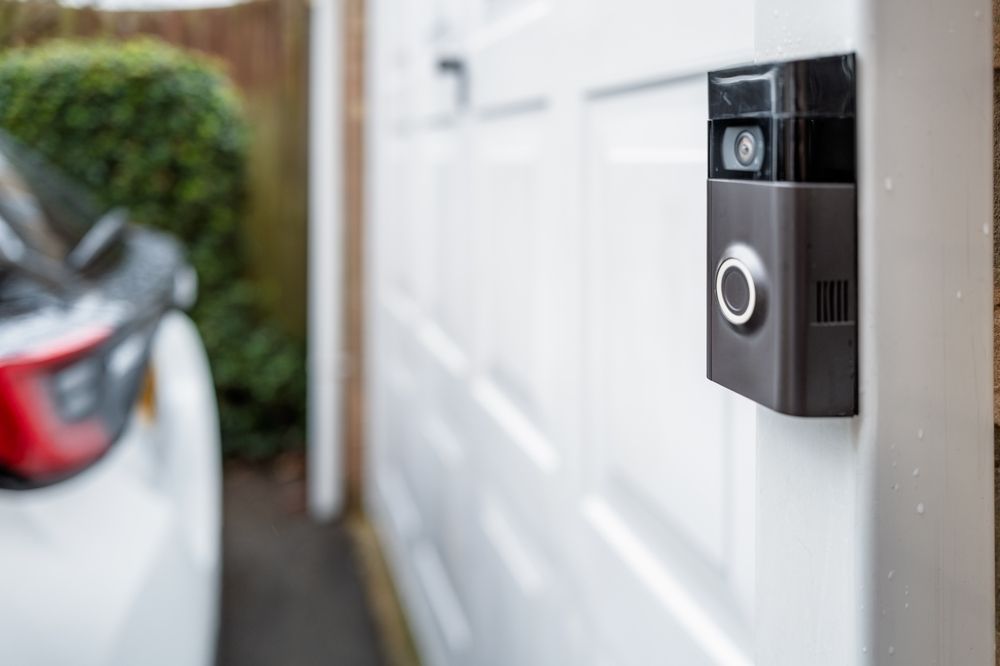
Smart Doorbell Wiring Done Without Guesswork
Ring doorbell installation in Missoula for homes without existing doorbell wiring or with low-voltage systems that won't support modern devices
Many homes in Missoula were built during eras when doorbell wiring—if present at all—was a simple two-wire, low-voltage circuit running to a mechanical chime. Edison Electric handles Ring doorbell installation for homeowners who find that their existing wiring isn't compatible with newer smart devices, or who have no doorbell circuit at all. The gap between what a Ring device requires and what an older home supplies is exactly where professional wiring work becomes necessary.
Installation begins with evaluating the existing doorbell transformer, chime, and wiring. Ring devices typically require a transformer rated at 16 to 24 volts AC with enough VA capacity to power continuous Wi-Fi and camera functions—most original residential transformers installed in homes built before the 1990s fall well short of that. Where the existing transformer is undersized, it gets replaced. Where no wiring exists, a new low-voltage circuit is run from an accessible transformer location to the door. The chime box is also assessed, since some mechanical chimes create voltage fluctuations that interfere with the doorbell's internal power kit.
Arrange an on-site assessment to determine exactly what your home's current wiring can support before purchasing a device.
How Proper Doorbell Wiring Supports Device Function
Ring doorbells draw power continuously—not just when someone presses the button—because they maintain a live video feed and Wi-Fi connection. That sustained draw requires stable voltage delivery, which is why transformer capacity matters more than most homeowners expect. During installation, Edison Electric tests voltage at the doorbell terminals under load, not just at rest, to confirm the circuit will hold up during active use.
Once wiring is confirmed or corrected and the device is mounted, you'll notice that the doorbell responds consistently without delayed alerts or dropped connections—both of which are symptoms of undervoltage that often get misattributed to Wi-Fi problems. The in-app live view activates reliably, and motion alerts reach your phone without lag tied to power instability at the device itself.
Some installations also involve bypassing or replacing the existing indoor chime entirely if it's incompatible with the Ring power kit. The power kit, which ships with most wired Ring models, regulates the circuit to prevent the chime from buzzing continuously—but it requires a chime wiring configuration that not all older units support. When that's the case, options include installing a Ring-compatible chime or disabling the mechanical chime and relying on the app notification.
Common Questions About Ring Doorbell Installation
Homes in Missoula vary widely in how they were originally wired for doorbells, and that variation directly affects what installation involves. The questions below address the wiring and hardware decisions that come up most often during this type of work.
What happens if my home has no existing doorbell wiring?
A new low-voltage circuit is run from a transformer, typically located near the electrical panel or in an accessible interior space, to the front door location. The transformer is wired to a standard circuit and the low-voltage side runs to where the doorbell will be mounted.
How is the right transformer size determined for a Ring device?
The transformer's voltage and VA rating are checked against the specific Ring model being installed. Most wired Ring doorbells require at least 16V AC and 10 VA; some models need higher. If the existing unit doesn't meet that spec, it's replaced before the device is mounted.
Why does a Ring doorbell sometimes buzz the indoor chime constantly after installation?
That continuous buzzing indicates the power kit wasn't installed correctly or the chime wiring configuration isn't compatible. The power kit bridges two terminals inside the chime box and must be matched to the chime's wiring layout to prevent the buzzing.
What should be checked before mounting the doorbell at the door itself?
Voltage at the terminals should be confirmed under load before the device is physically secured. Mounting before verifying power means the device may need to be removed again if the circuit requires correction.
How does the age of a home's electrical system affect Ring installation in Missoula?
Older homes—particularly those built in the 1960s and 1970s—often used 8V or 10V transformers wired to two-tone mechanical chimes. Those systems were adequate for a simple doorbell tone but won't sustain a smart doorbell's continuous power draw, making transformer replacement a standard part of the installation process.
Edison Electric installs Ring doorbells as a complete electrical service, covering transformer evaluation, wiring corrections, and device setup so the finished installation works reliably from the first day. To get started, request a wiring assessment for your specific door location and device model.